
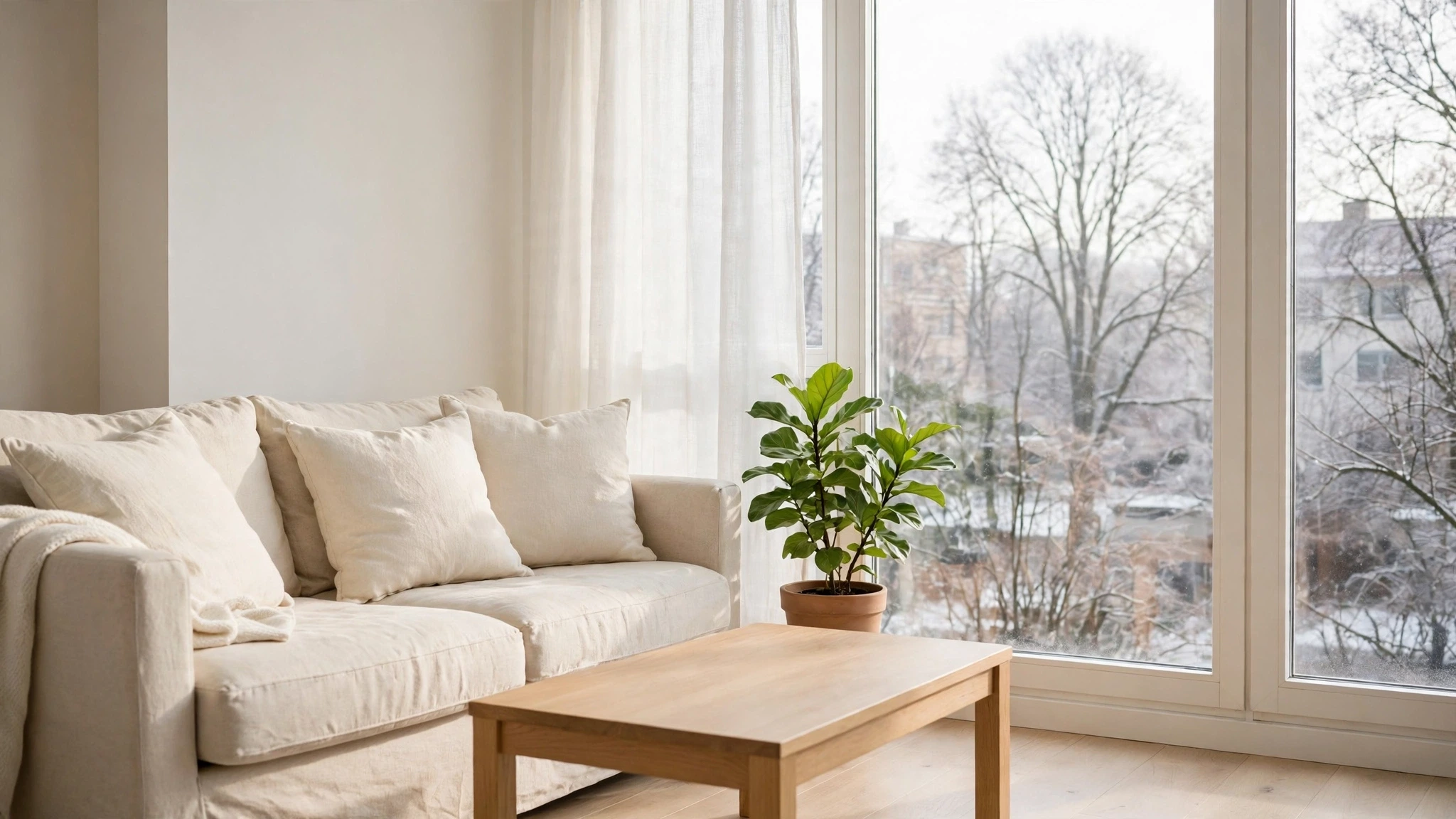

January changes the light and the mood in a small apartment. The tree comes down, the fairy lights come off the shelf, and suddenly you can see every corner again, including the dusty ones December covered up. Most renters feel the urge to buy new things in that moment, but a small home rarely needs more furniture. It needs a reset.
A good new year apartment refresh is mostly free. You remove what the season added, clean the spots that never get attention, move what you already own to better places, and change a few soft things like cushion covers, bedding, and light. In a compact room, those small edits show fast because nothing is far from view.
These 15 ideas run in a sensible order, from packing Christmas away to one calm corner for work and one small upgrade worth saving for. Each one suits rented homes and tight budgets, with simple measurements and common mistakes marked along the way. If you are setting up your very first home rather than resetting one, start with these first apartment decor ideas and then use this list as your January routine.
How Can You Refresh a Small Apartment for the New Year?
You can refresh a small apartment for the new year by working in layers: clear the seasonal decor out first, clean deeply, then change layout, textiles, and light before you buy anything at all. Open surfaces, one restyled wall, fresh bedding, a green plant, and a tidy entryway make a rented home feel new in a weekend.
The order matters more than the shopping. Clearing and cleaning first shows you what the room actually needs, and it is usually far less than you expected. Most apartments only need two or three small purchases after the free steps are done, such as a plant, one set of cushion covers, or a warmer light bulb.
Pack Away Christmas Decor Without Clutter
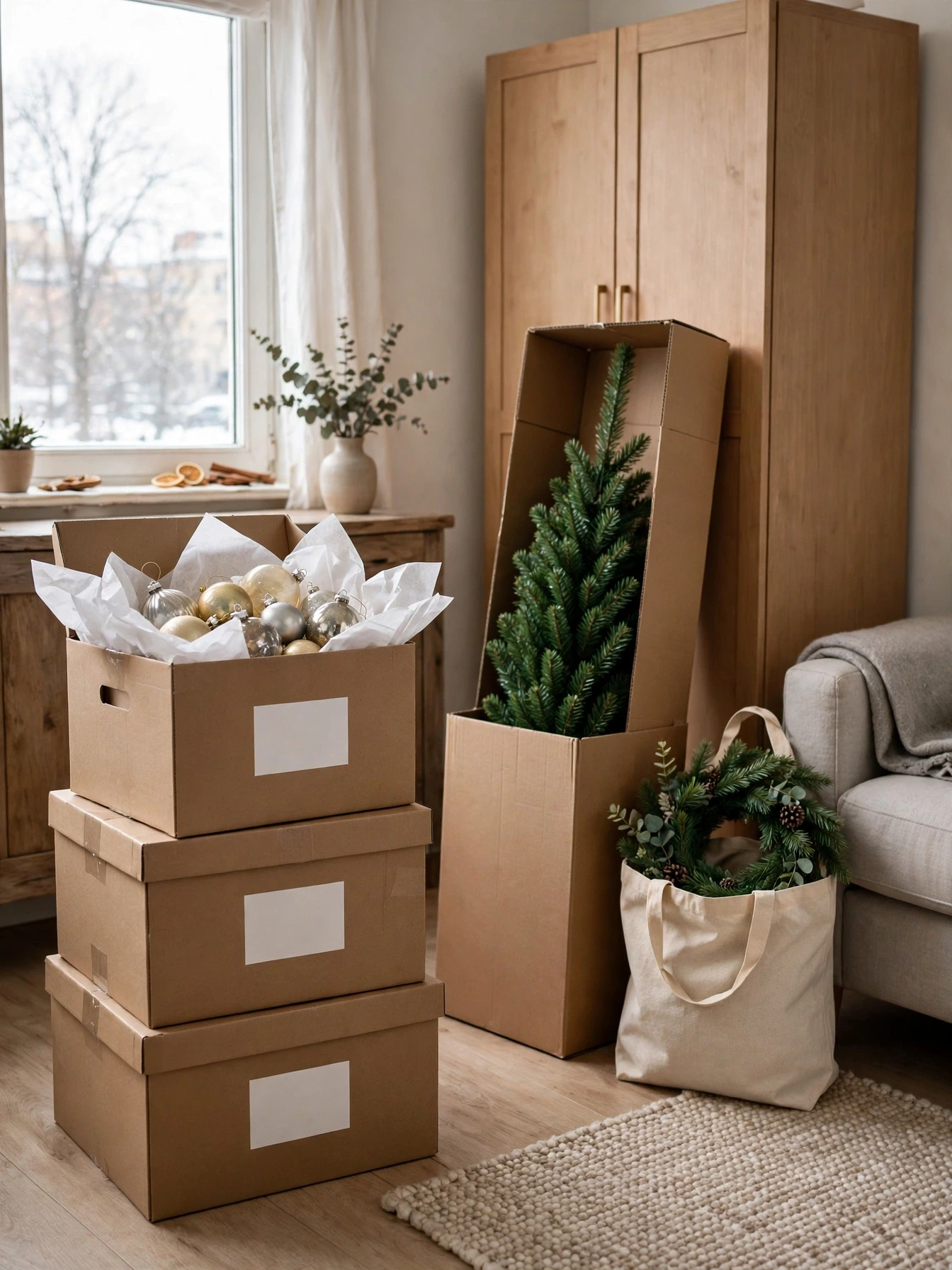
Pack Christmas away in the order you will want it next year. Sort decorations into groups first, then wrap anything breakable in tissue paper, label the outside of each box, and store boxes you will open last at the back. A clear box at the front for lights and hooks saves time next December.
Use one box for the tree, one for baubles and ornaments, and one for lights, hooks, and garlands. A box 60 cm long and 40 cm wide fits most baubles in tissue, and a second box of the same size holds the tree topper, ribbons, and spare bulbs. If you still have Christmas pieces on shelves, take them down now and put them in the same box, so they do not drift back into daily use. For more seasonal ideas, see these christmas apartment decor ideas.
This idea suits renters because it uses boxes and labels rather than new furniture. Keep the boxes on a high shelf or under the bed, and write a short list of what is inside on the lid. If a decoration is broken, faded, or unused for two years, let it go now.
The mistake: putting everything in one unlabelled box, then opening it in January to find broken baubles and tangled lights. Label each box clearly, and keep lights separate from breakables.
Deep-Clean the Forgotten Corners
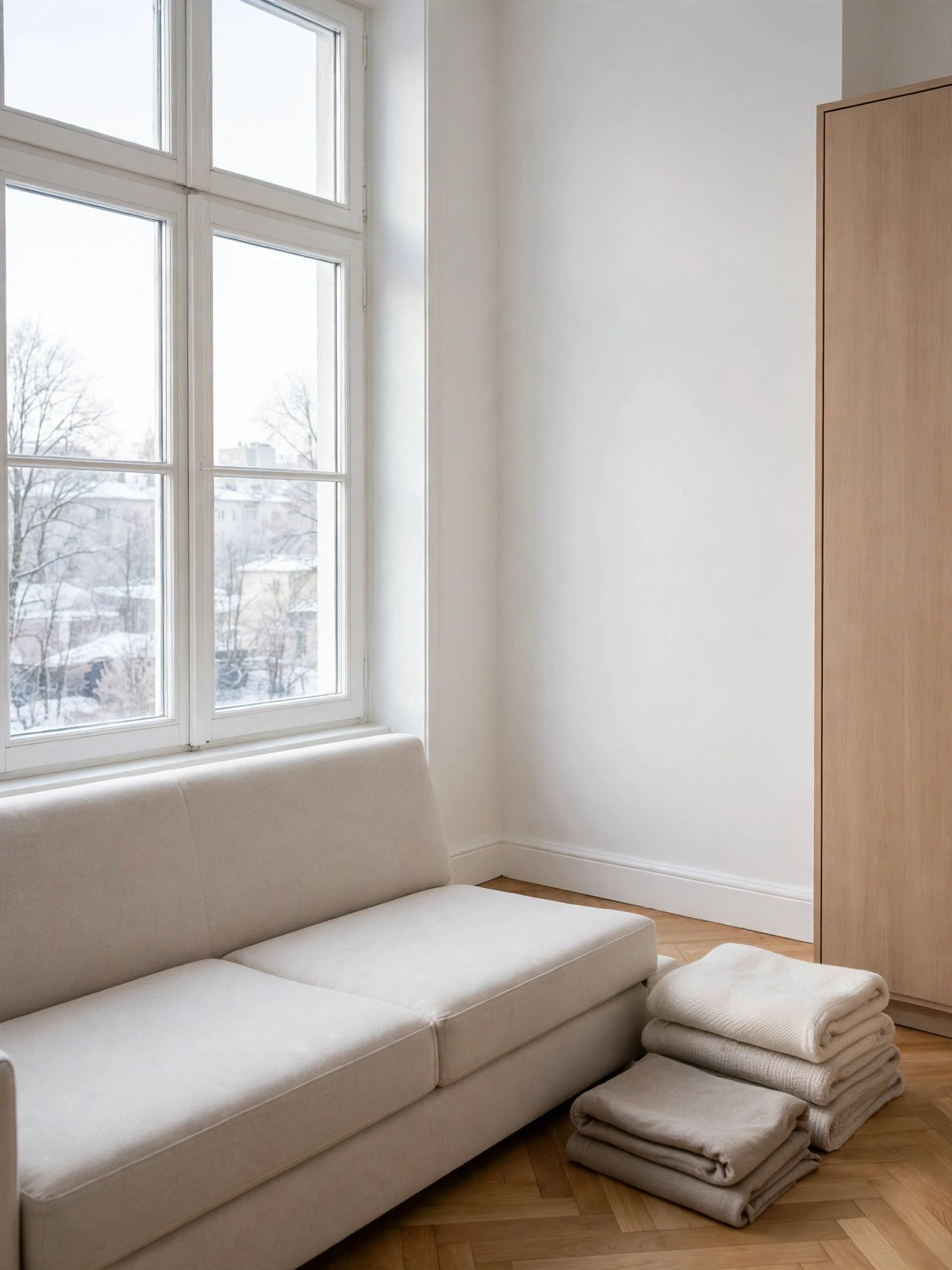
A deep clean changes how a room feels more than any new cushion. Start with the spots December hid: behind the sofa, under the bed, on top of cupboards, around the windows, and inside the fridge. Dust falls on those surfaces for months, and a clean corner makes the whole room look brighter.
Work top to bottom, so dust falls onto floors you clean last. A microfibre cloth and a bucket of warm soapy water handle most surfaces, and a small brush reaches the corners of windows and radiators. Clean one room at a time, and open a window for fresh air while you work.
This idea suits any small home, because it costs nothing and takes two to three hours for a one-bedroom flat. Set a timer for 30 minutes per room, and keep a bag for rubbish and a box for things to donate. A clean floor and clear windows make the next steps look better.
The mistake: cleaning only the visible surfaces, then wondering why the room still feels dusty. Move the furniture, clean behind it, and wipe the tops of doors and cupboards.
Rearrange the Living Room Layout for Free
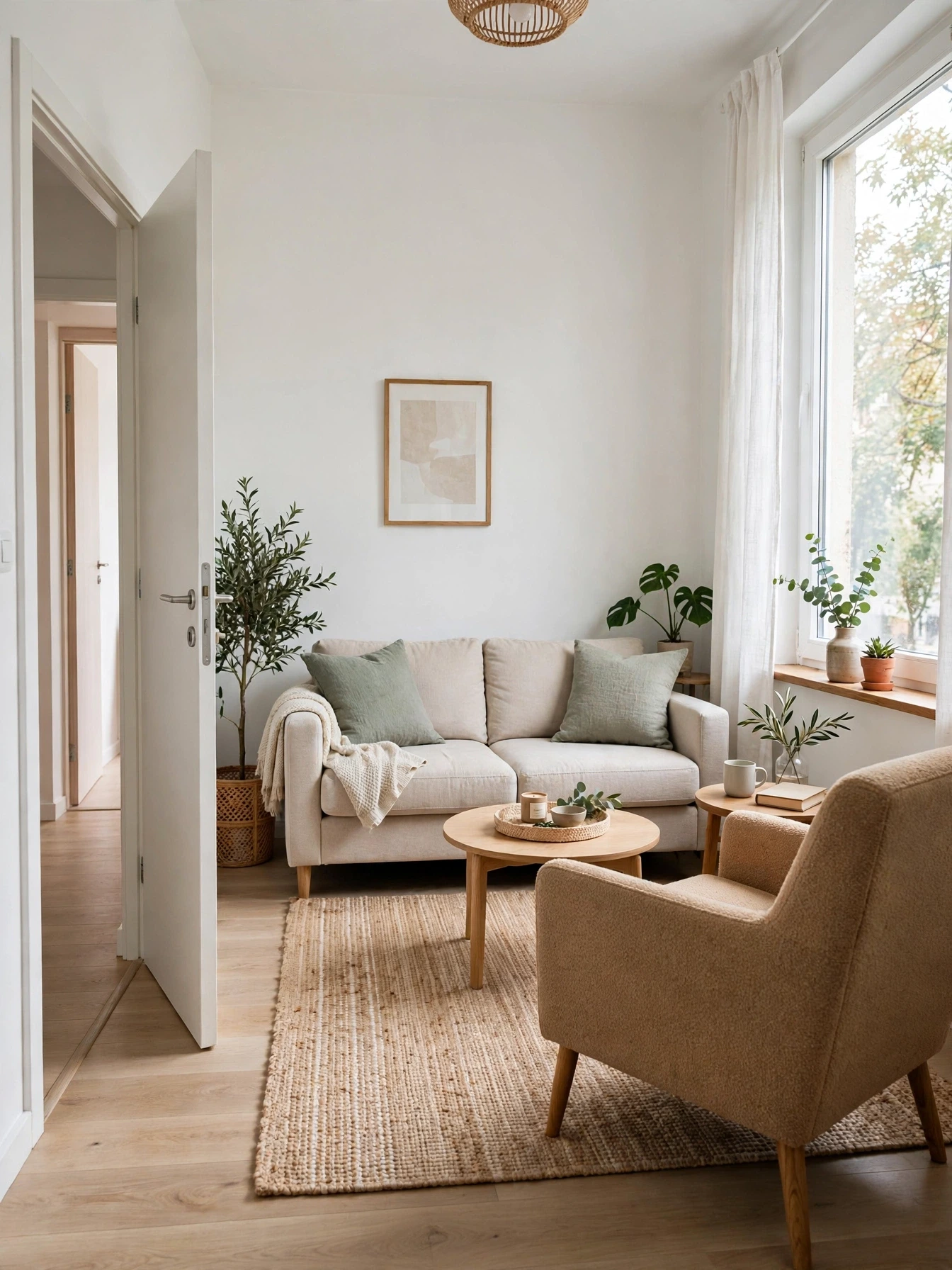
Moving the sofa and chairs costs nothing, but it can make a small living room feel like a new room. Try the sofa against the longest wall, then move the chairs to face it, leaving a clear walking line from the door to the window. A small change in angle can open a view you did not know you had.
Put the sofa and chair at right angles to open the wall, then angle one seat toward the light. A small rug marks the sitting area, and a low side table keeps drinks and books close without a large coffee table. See these small apartment couch layout ideas for exact seat and rug sizes.
If the layout still feels heavy, swap the two largest pieces and leave one clear walking line through the room. A long curtain hung high makes the window look taller, and a mirror on the side wall bounces light across the seating area. Keep the television on the long wall, not the window wall, so the screen is easy to see. If you want more living room ideas for small apartments, use them after the layout is set, not before.
The mistake: pushing all the furniture against the walls, then leaving a large empty middle that feels cold. Pull the seating in by 15 to 20 cm, and use a rug to define the space.
Swap Cushion Covers and Throws
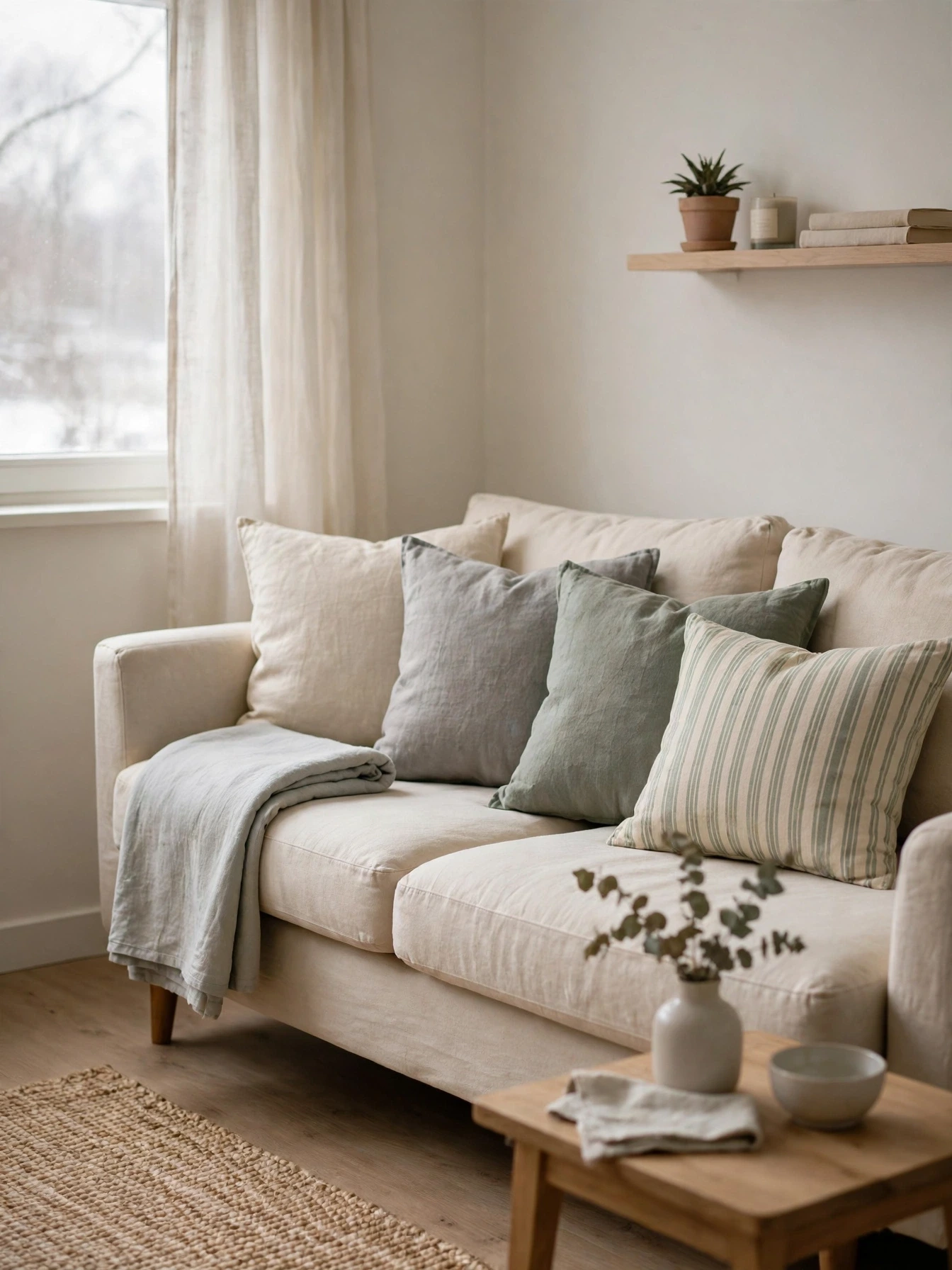
Cushion covers and throws change the colour of a room in minutes, without buying new furniture. Choose one calm colour for the sofa, then add a second colour in a throw or a small cushion. A light linen cover in January feels fresh after the heavy reds and greens of December.
Use covers that are 45 cm square for standard cushions, and a throw 130 cm long for the sofa arm. Wash the old covers before you store them, and keep them in a labelled box for next winter. A single new set in a pale colour, such as sage green or warm white, is enough to change the mood.
This idea suits renters because covers and throws are easy to swap and store. Choose a washable fabric, and keep the old covers in a box under the bed. If the sofa is dark, a light throw makes it feel less heavy.
The mistake: buying covers in a colour that clashes with the rug or curtains, then the room feels busy. Pick one colour from the room you already own, and match the throw to it.
Restyle One Wall with Art You Own
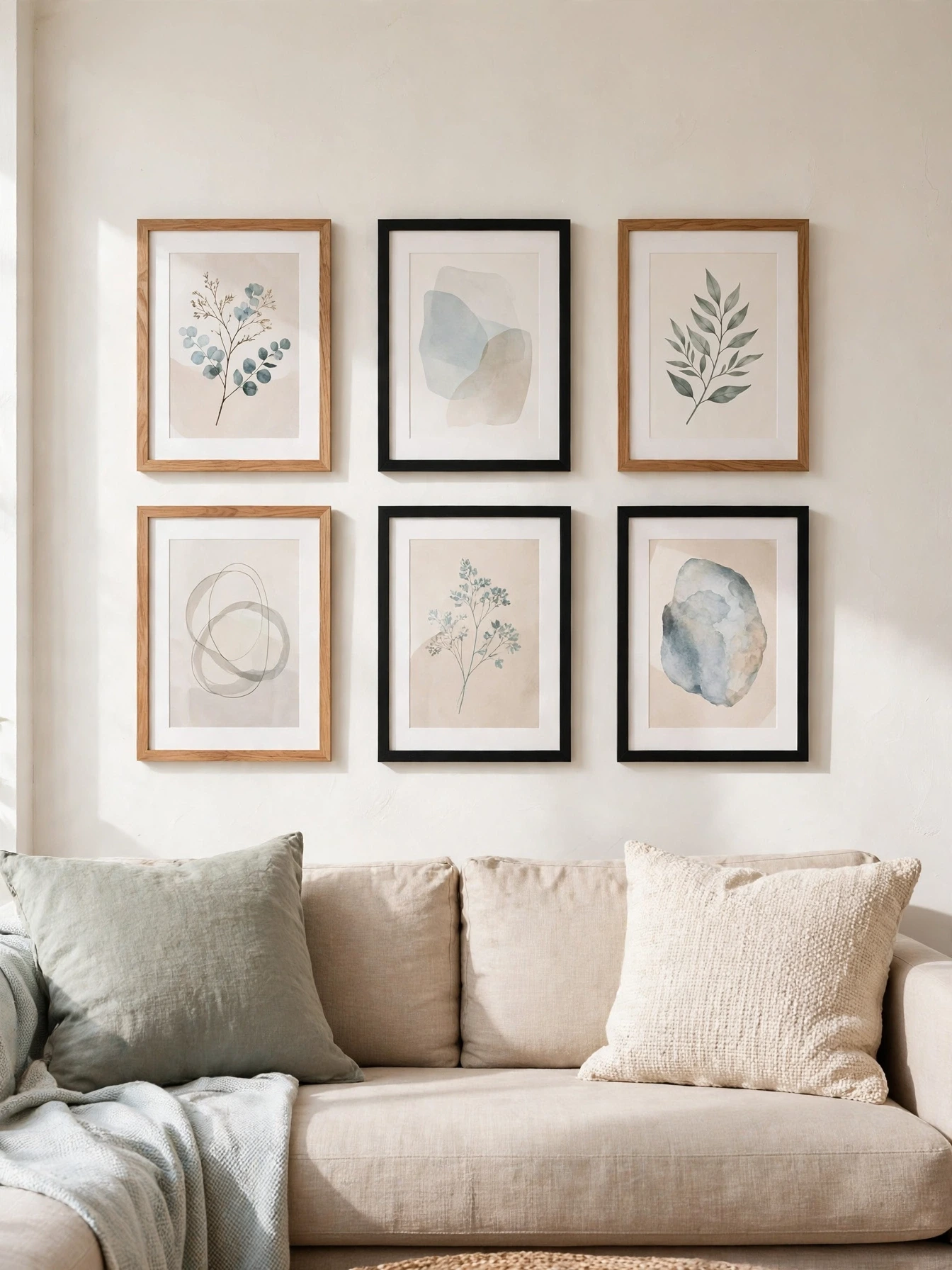
One wall with art you already own can lift a room more than a whole shelf of new decor. Take down the pieces that no longer fit, then hang the strongest one at eye level and place smaller pieces around it. A single large print, or a small group of three, is enough for a small wall.
Hang the strongest piece at eye level, about 145 cm from the floor to the centre, then place smaller pieces around it. Keep the gap between frames at 5 to 8 cm, and align the top or bottom edges so the group feels planned. If you want more ideas, see these apartment wall art ideas or try one apartment accent wall ideas before adding colour.
This idea suits renters because it uses nails or adhesive hooks, not new furniture. Use frames in one colour so the wall looks calm, and leave some empty space around the art. If the wall is near a window, place a plant below the art to add life.
The mistake: hanging art too high, then the wall feels empty at eye level. Hang the centre of the largest piece at eye level, about 145 cm from the floor.
Change One Lighting Layer
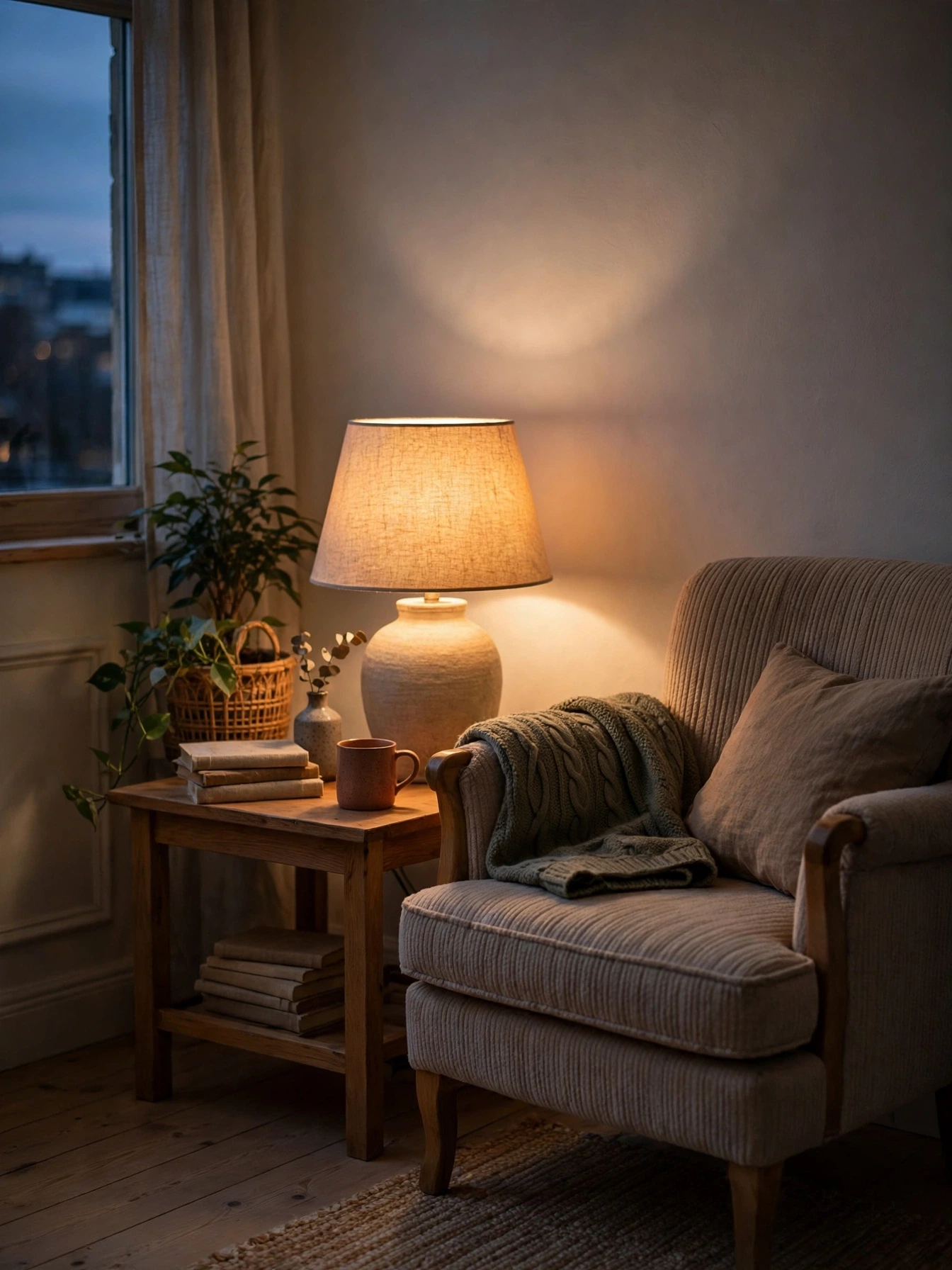
Light changes the mood of a room more than any new cushion. A warmer bulb, a small lamp, or a fairy light can make a small room feel calm in January, when the days are short. Change one layer at a time, so you can see the difference before you add more.
Use a warm white bulb, 2700K, for the main light, and a small lamp with a warm shade for the evening. A floor lamp beside the sofa, or a table lamp on a side table, adds a soft glow without a bright ceiling light. Keep the light low in the evening, and use a brighter light for work or reading. For more living room ideas, see these modern apartment living room ideas.
This idea suits renters because bulbs and lamps are easy to change and take with you. Choose a lamp in a light colour so the room feels larger, and avoid a bright white bulb that makes the room feel cold.
The mistake: adding too many lights at once, then the room feels like a shop. Change one layer first, live with it for a week, then add another if you need it.
Add One Living Plant
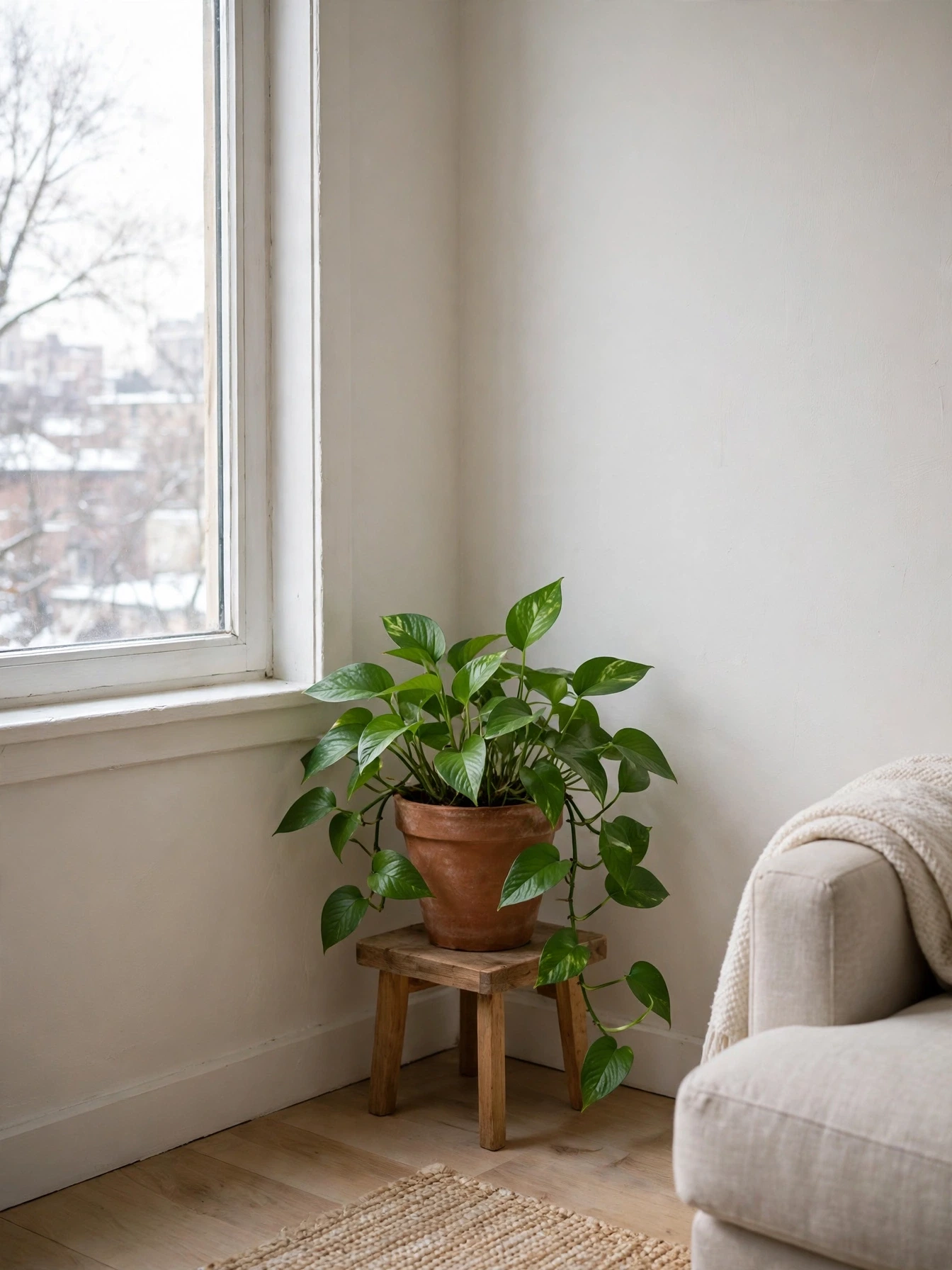
One living plant adds colour and life to a small room in January, when the outside is grey. A small plant on a shelf, a trailing plant on a high cupboard, or a large plant in a corner can make the room feel fresh without new furniture.
Use a plant that is 30 to 40 cm tall for a shelf, or a larger plant 60 to 90 cm tall for a corner. A pot 15 to 20 cm wide fits most small plants, and a saucer underneath stops water from marking the shelf. Keep the plant near a window, but not in direct sun, and water it once a week.
This idea suits renters because plants are easy to move and take with you. Choose a plant that suits the light you have, and avoid a plant that needs daily care if you are away often. A trailing plant on a high shelf adds green without taking up floor space.
The mistake: buying a large plant for a small room, then it takes over the space. Start with one small plant, and add more only when you know the light and space suit it.
Reset the Entryway
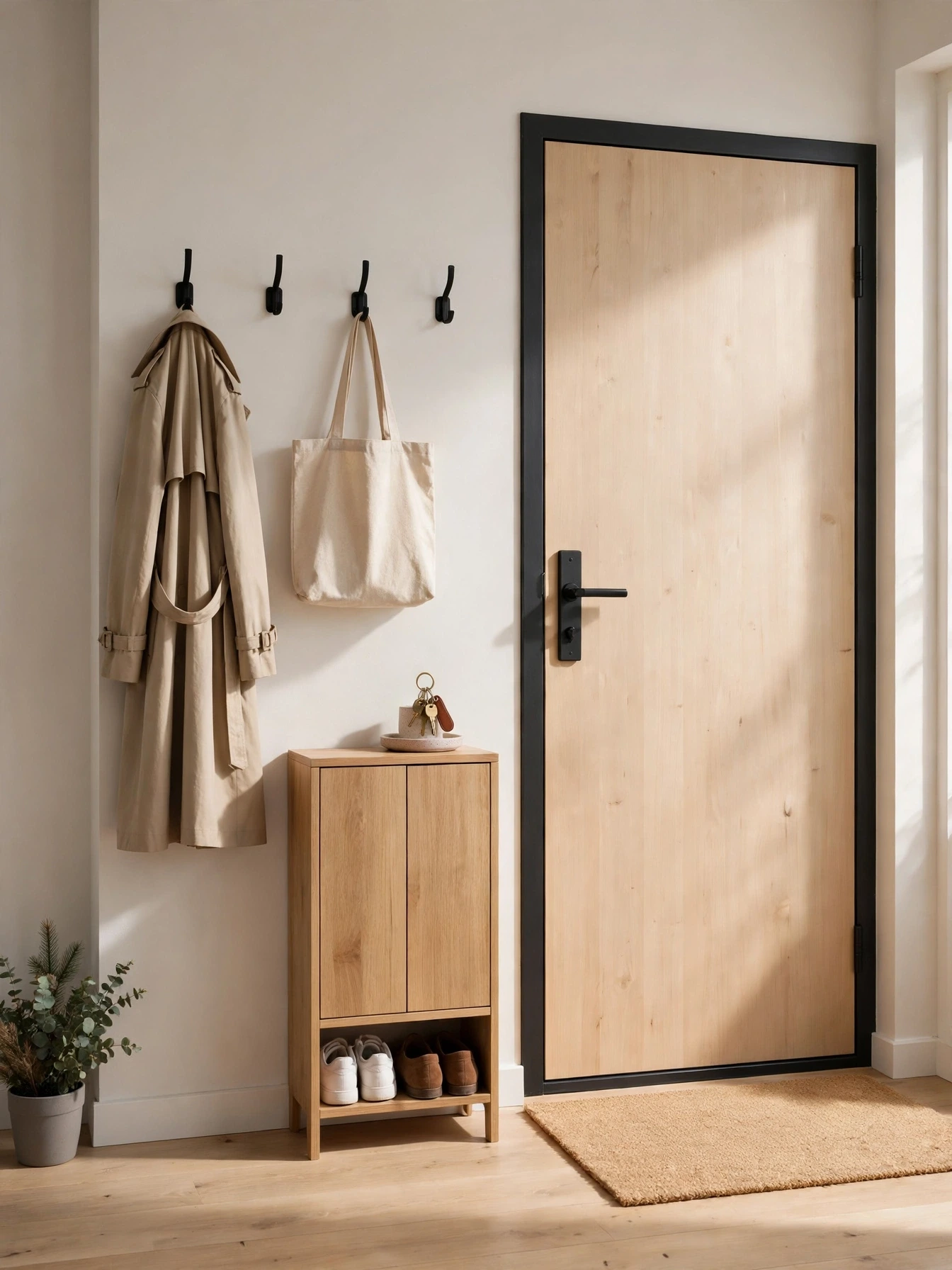
The entryway is the first thing you see when you come home, and the last thing you see when you leave. A small reset makes it feel calm: clear the hooks, wipe the shelf, put the shoes in pairs, and add one small plant or a mirror. A tidy entryway makes the whole flat feel organised.
Use a narrow console table or a wall-mounted shelf, 60 to 90 cm wide and 20 to 25 cm deep, so it does not block the walkway. Add four hooks at shoulder height, a small tray for keys, and a bowl for loose change. Keep a pair of indoor shoes nearby so outdoor shoes do not travel further into the room.
This idea suits small flats where the front door opens straight into the living area. Choose a light colour for the shelf so the space feels larger, and avoid adding more hooks until the entryway feels crowded. For the outside of the door, see these apartment front door decor ideas.
The mistake: adding more hooks and baskets until the entryway becomes another cluttered surface. Limit it to one tray, four hooks, and one basket, and clear the tray each evening.
Give Kitchen Counters a Clear Reset
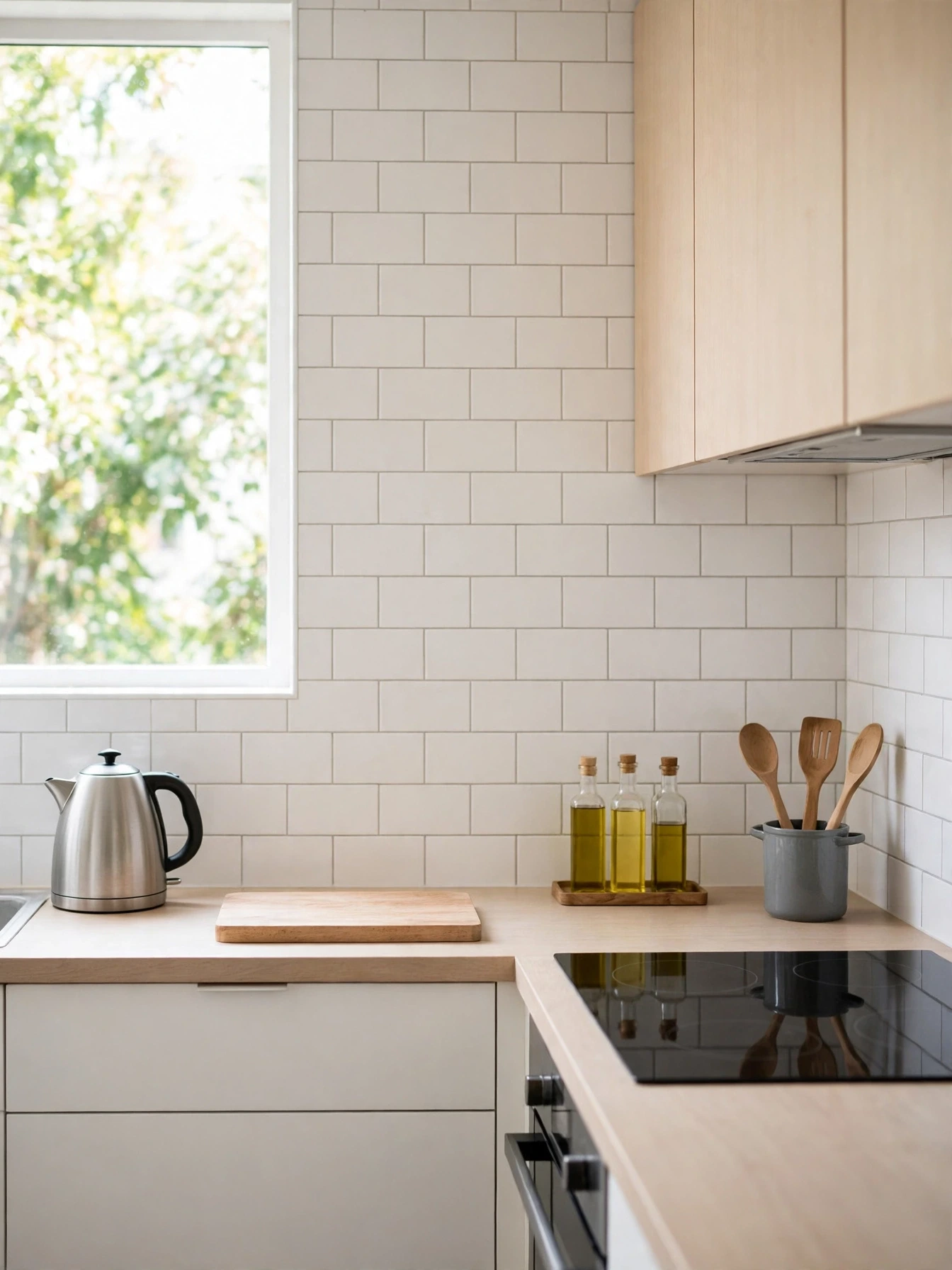
A clear kitchen counter makes the whole flat feel larger, because the kitchen is often the centre of a small home. Take everything off the counter, wipe it clean, then put back only the items you use every day. A kettle, a cutting board, and a small plant are enough for most counters.
Use a tray 30 to 40 cm long to hold the kettle, a small jar for utensils, and a plant for colour. Keep the rest in cupboards, and use a riser inside the cabinet to double the space. A clear counter shows the worktop, which makes the kitchen feel calm.
This idea suits small kitchens with limited counter space. Choose a light colour for the tray so the counter feels larger, and avoid placing heavy items on the counter that make it feel crowded. Keep the sink clear, and wipe the counter each evening.
The mistake: clearing the counter, then filling it again with items you rarely use. Put back only the daily items, and store the rest in cupboards or on a high shelf.
Turn the Bathroom Into a Small Spa Corner
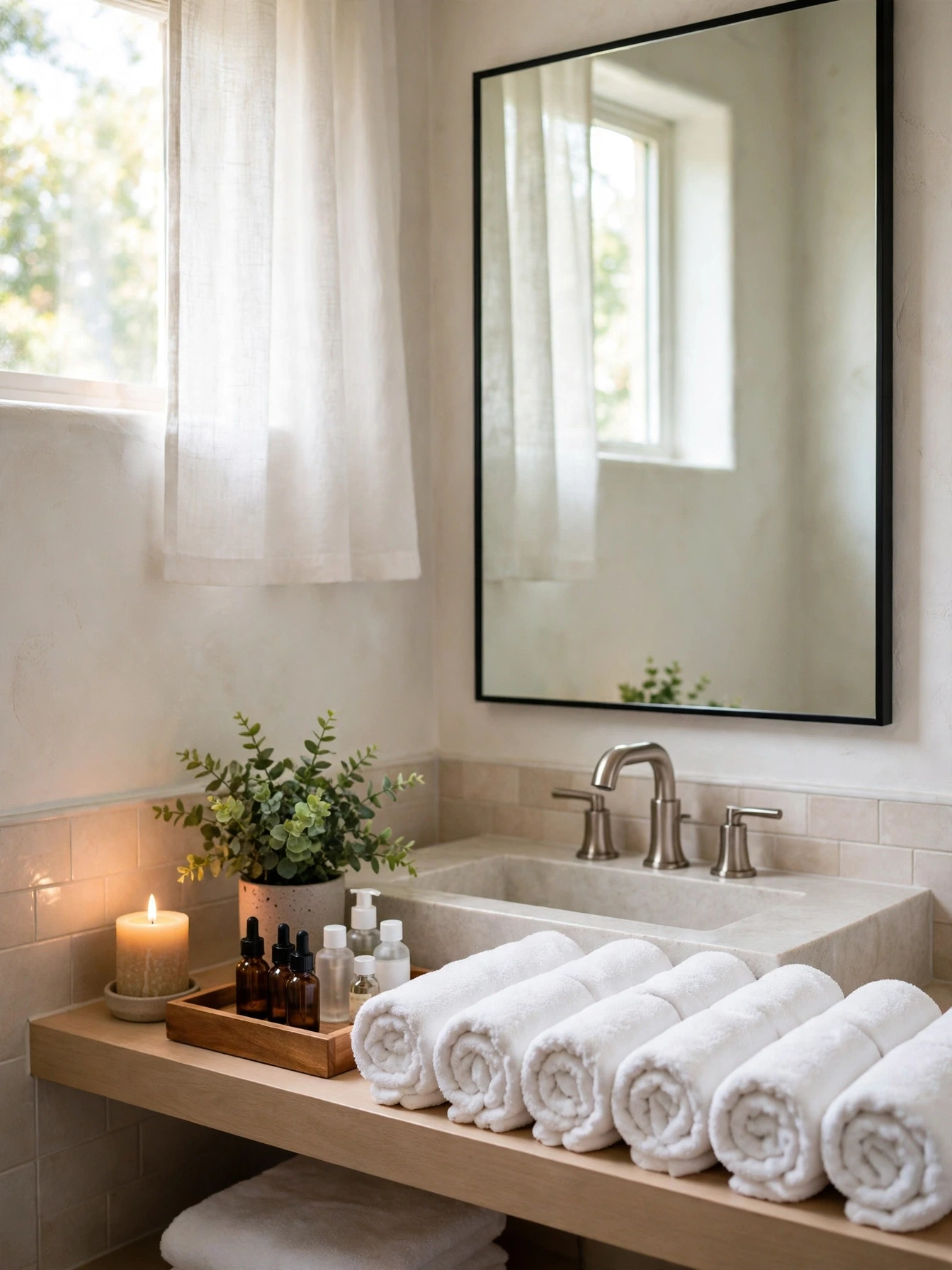
A small bathroom can feel like a spa with a few simple changes: a clean mirror, a soft towel, a small plant, and a calm scent. Roll the towels, place them on a shelf, and add a small candle or a diffuser. A tidy bathroom feels larger, even when it is small.
Use a shelf 60 to 70 cm wide and 15 to 20 cm deep over the toilet, or a rack on the door for towels and toiletries. Roll the towels so they look neat, and place a small plant on the shelf for colour. Keep the counter clear, and store the rest in a cupboard.
This idea suits small bathrooms and shared flats, where counter space is limited. Choose a light colour for the shelf so the room feels larger, and avoid placing heavy items on the top shelf. For a full room plan, see this apartment bathroom makeover guide.
The mistake: adding too many spa items, then the bathroom feels cluttered. Choose one or two changes, such as rolled towels and a plant, and keep the rest simple.
Refresh the Bed with Clean Layered Bedding
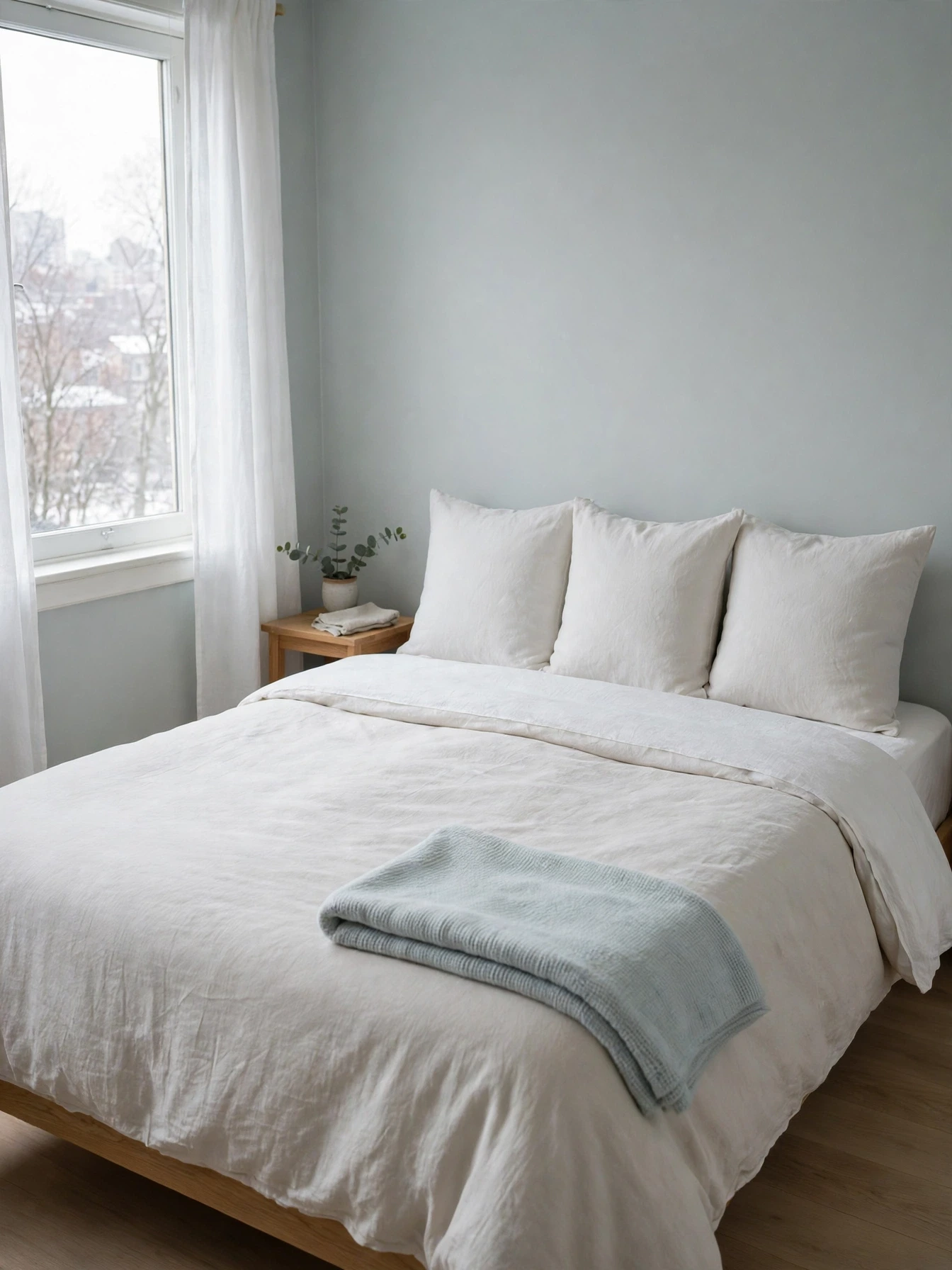
Clean layered bedding makes a bedroom feel new in January. Wash the sheets, add a light duvet cover, then layer a throw and two cushions in a calm colour. A made bed with clean bedding makes the whole room feel tidy, even when the rest is not perfect.
Use a duvet cover in a pale colour, such as warm white or sage green, and a throw 130 cm long at the foot of the bed. Add two cushions, 45 cm square, in a matching colour, and keep the rest of the bedding simple. Wash the sheets once a week, and air the duvet each morning.
This idea suits any small bedroom, because bedding is easy to change and wash. Choose a washable fabric, and keep a spare set in a box under the bed. If the room is small, a light colour makes it feel larger.
The mistake: adding too many cushions and throws, then the bed feels crowded. Use two cushions and one throw, and keep the rest of the bedding simple.
Clear and Restyle Open Shelves
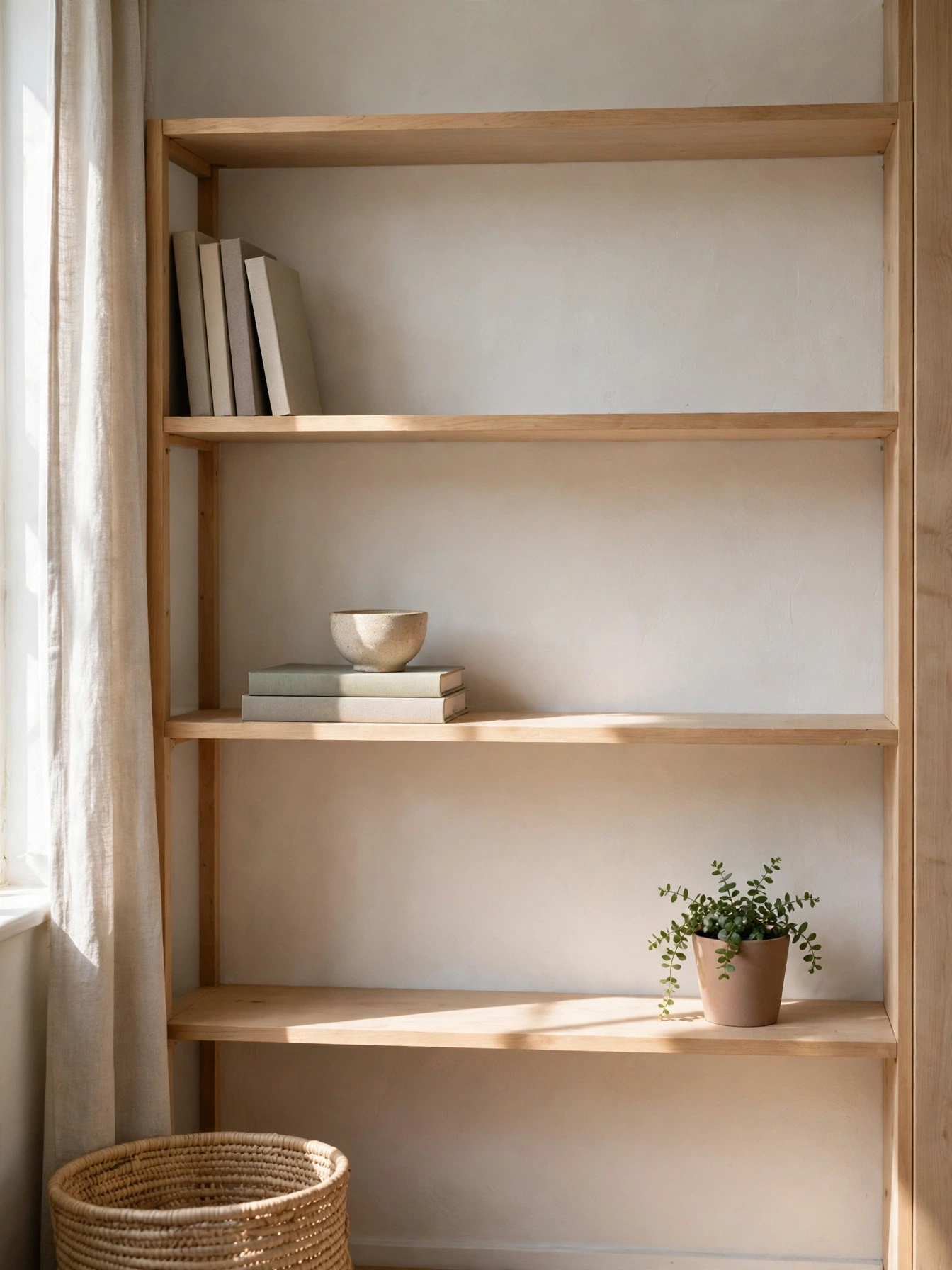
Open shelves can make a small room feel larger, but they can also look cluttered if they are full. Take everything off, wipe the shelves, then put back only the items you use and love. A mix of useful items and decorative pieces, with some empty space, makes the shelves look like decor.
Use the rule of three: group items in threes, with a mix of heights and textures. Place a plant, a book, and a decorative object on one shelf, and a basket, a jar, and a small plant on another. Leave at least one-third of each shelf empty, so the items have room to breathe.
This idea suits small living rooms and kitchens, where open shelves can add storage without making the room feel smaller. Choose shelves in a light colour, and use matching baskets to hide items you do not want to display.
The mistake: filling every shelf with items until there is no empty space, then the shelves look like a shop display. Leave some empty space, and rotate items seasonally.
Create One Calm Work-From-Home Corner
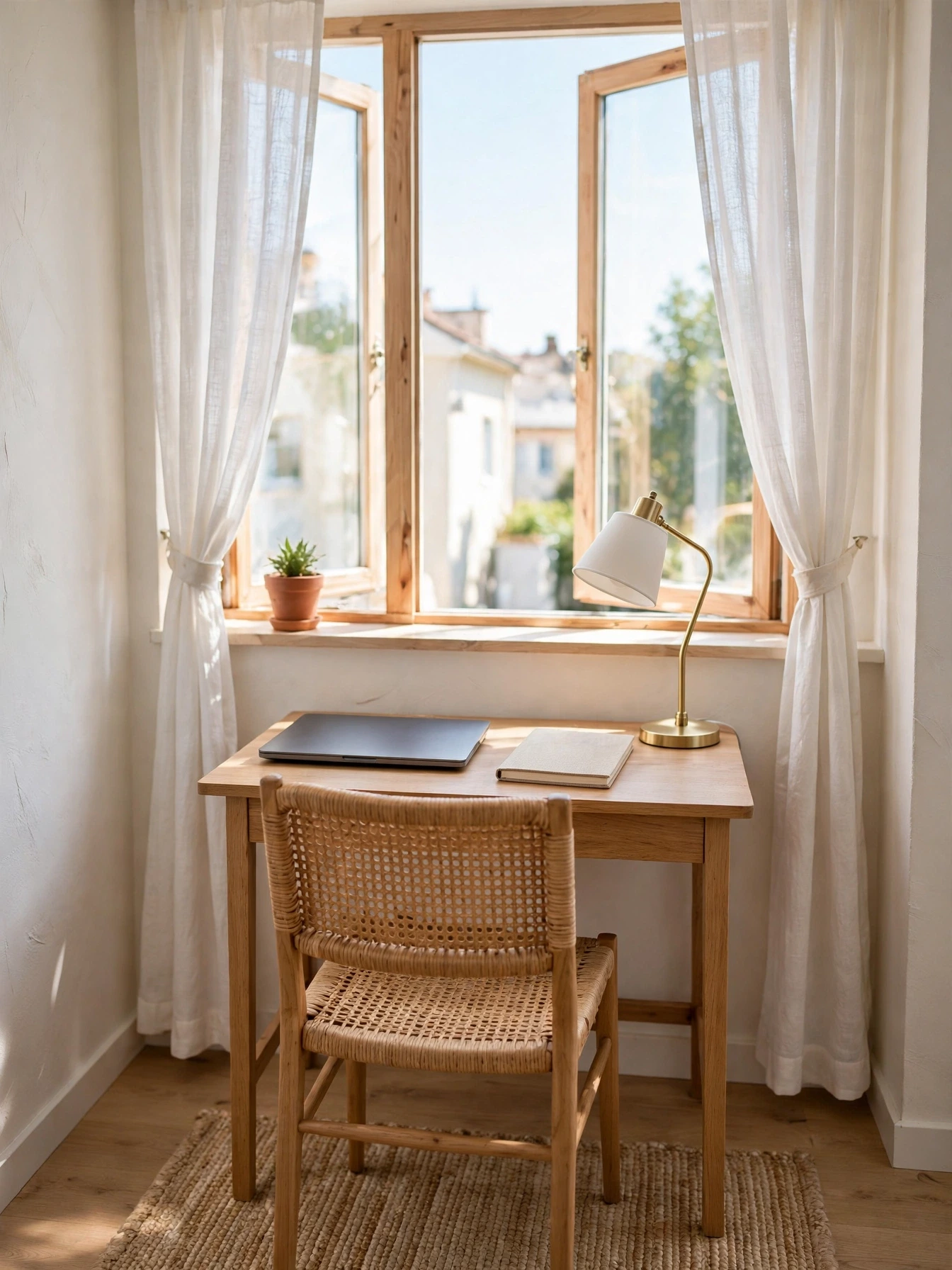
A calm work corner helps you focus in a small flat, even when the rest of the room is busy. Choose a small desk or a wall-mounted shelf, add a chair with good support, and keep only the items you need for work on the desk. A plant, a lamp, and a clear surface make the corner feel calm.
Use a desk 80 to 100 cm wide and 50 to 60 cm deep, so it fits in a small corner without crowding the room. Add a small shelf above the desk for books and a lamp for light. Keep the cables tidy with a small tray, and use a basket for papers.
This idea suits anyone who works from home in a small flat. Choose a desk in a light colour so the corner feels larger, and avoid placing it facing a wall if you can face a window. For layout ideas, see these apartment TV wall ideas.
The mistake: using the work corner for storage as well, then it becomes cluttered. Keep the desk clear, and store the rest in a cupboard or on a shelf.
Set Up a Small Planning and Mail Station
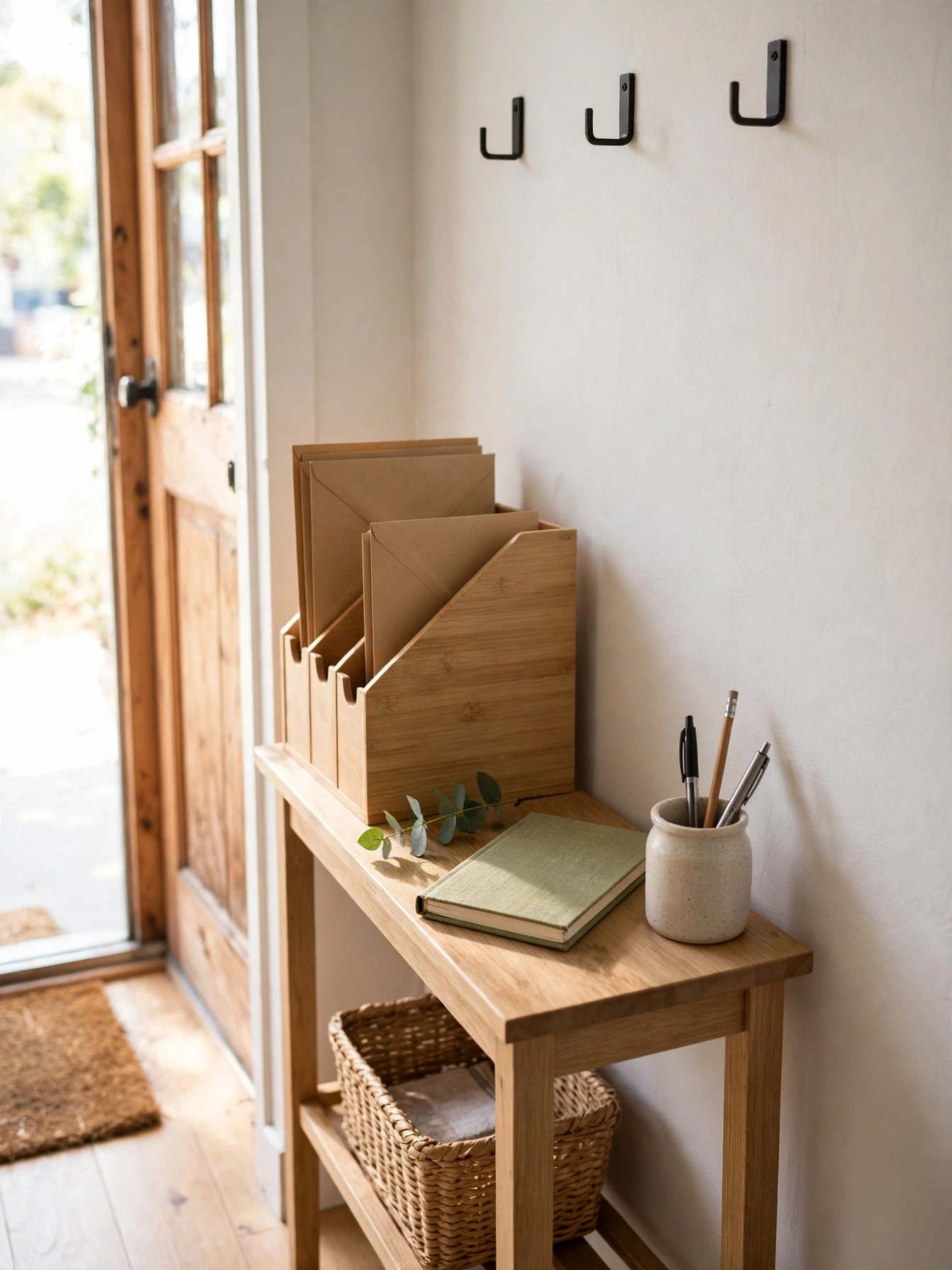
A small planning and mail station keeps post, bills, and notes in one place, so they do not pile up on the dining table. A wall-mounted shelf, a small tray, and a pinboard can hold incoming post, a calendar, and a to-do list. A tidy station makes the whole flat feel organised.
Use a shelf 40 to 60 cm wide and 15 to 20 cm deep, so it fits near the front door or in the kitchen. Add a small tray for incoming post, a pinboard for notes, and a calendar for dates. Keep a pen nearby, and clear the tray each week.
This idea suits small flats where post and paper often pile up. Choose a light colour for the shelf so the space feels larger, and avoid adding more trays until the station feels crowded.
The mistake: letting the station become another cluttered surface. Clear the tray each week, and file or recycle post as soon as you have read it.
Choose One Statement Upgrade to Save For
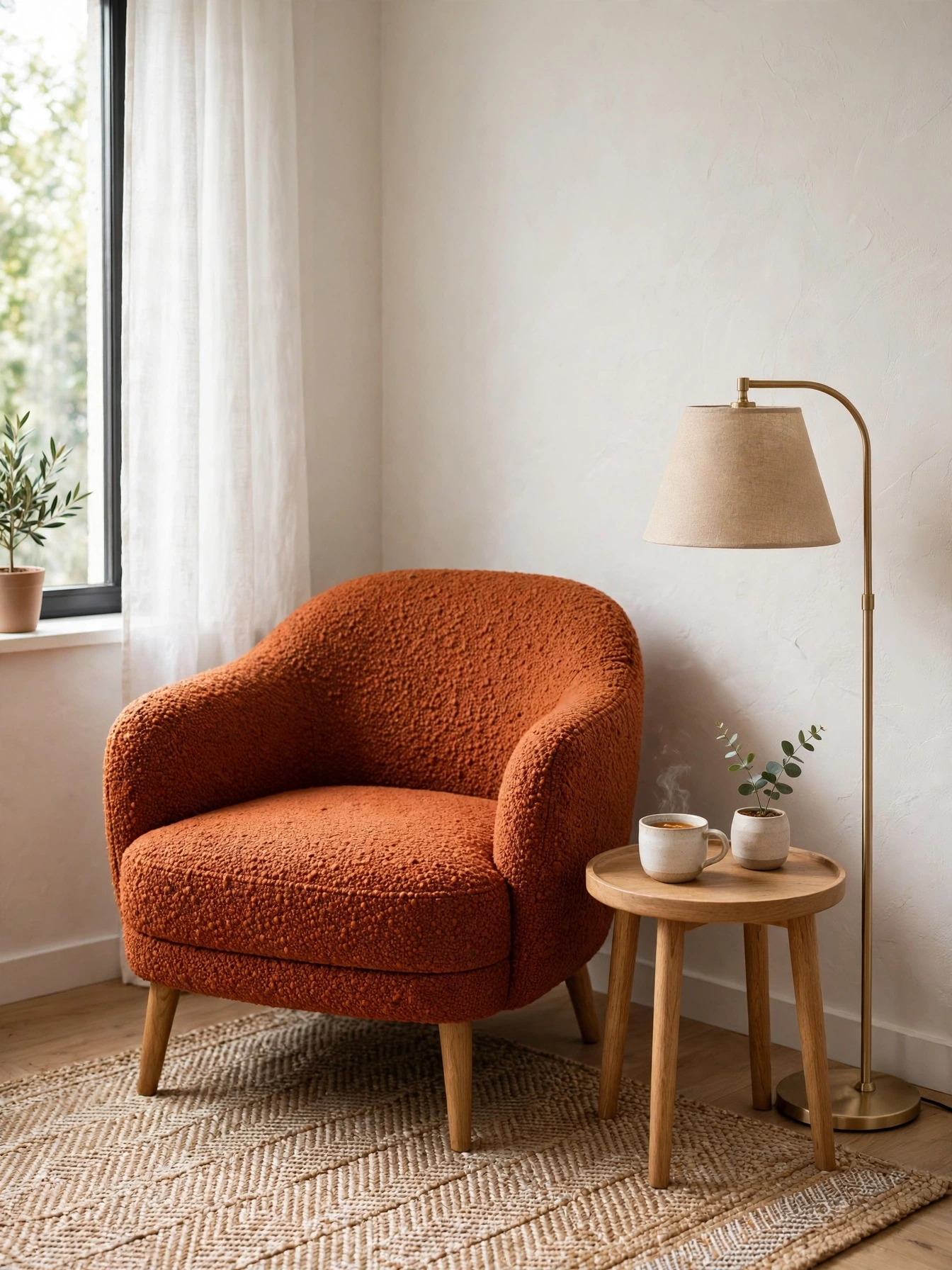
One statement upgrade can change a room more than ten small purchases. Choose one piece you will love for years, such as a good lamp, a large mirror, or a quality rug, and save for it. A single strong piece makes the room feel planned, even when the rest is simple.
Set a budget and a date, then save a small amount each week. A lamp 40 to 50 cm tall, a mirror 60 to 80 cm wide, or a rug 120 cm by 180 cm can change a room without new furniture. Choose a piece in a colour that suits the room, and buy it when you have saved enough.
This idea suits renters and small households, because one piece is easy to take with you when you move. Choose a piece you love, not a trend, and avoid buying it on credit. A single upgrade is enough for January.
The mistake: buying ten small items instead of one good one, then the room feels busy. Save for one piece, and enjoy the calm it brings.
Common Mistakes to Avoid in a New Year Apartment Refresh
Buying Before Clearing
The mistake: buying new cushions, plants, and lights before you have cleared and cleaned, then the room still feels cluttered. Clear and clean first, then buy only what the room still needs.
Changing Everything at Once
The mistake: changing the layout, the textiles, and the lighting in one day, then the room feels strange. Change one thing at a time, live with it for a week, then change the next.
Ignoring Measurements
The mistake: buying a rug, a shelf, or a plant without measuring, then it does not fit the space. Measure first, then buy, and keep a list of the room sizes on your phone.
Keeping Broken Decor
The mistake: keeping broken baubles, faded cushions, or a plant that has died, because you feel guilty throwing them away. Let them go now, and keep only what you use and love.
Forgetting the Entryway
The mistake: refreshing the living room and bedroom, then leaving the entryway cluttered. Reset the entryway first, so the whole flat feels calm when you come home.
Skipping the Deep Clean
The mistake: adding new decor to a dusty room, then the new items look dirty too. Deep clean first, then add the new pieces.
Budget-Friendly Tips for a New Year Apartment Refresh
Start with what you already have: move furniture, swap cushion covers, and restyle shelves before you buy anything. A free change often makes the biggest difference, and it costs nothing.
Use what you own in new ways: a scarf can become a table runner, a jar can hold pens, and a basket can hold scarves. Look around the flat before you shop, and you will find items you forgot you had.
Shop second-hand first: look for lamps, mirrors, and rugs at charity shops, car boot sales, or online marketplaces. Many items are in good condition and cost much less than new ones.
Buy in stages: start with one room, such as the living room, and add one small purchase at a time. Buying everything at once often leads to buying the wrong sizes, and it costs more upfront.
Set a small budget: choose a total amount for January, such as £50, and track what you spend. A clear budget stops impulse buys, and it makes the refresh feel planned.
A Two-Day New Year Refresh Plan
Day one morning: pack Christmas away and deep clean. Sort decorations into labelled boxes, then clean the forgotten corners, behind the sofa, under the bed, and on top of cupboards.
Day one afternoon: rearrange the living room and swap the textiles. Move the sofa and chairs, change the cushion covers and throws, then restyle one wall with art you own.
Day two morning: reset the entryway, kitchen, and bathroom. Clear the counters, roll the towels, add a plant, and set up the planning and mail station.
Day two afternoon: refresh the bed, restyle the shelves, and set up the work corner. Change the lighting, add one plant, then choose one statement upgrade to save for.
FAQ
What is the best way to refresh a small apartment for the new year?
Start by clearing and cleaning, then change the layout, textiles, and light before you buy anything. Open surfaces, one restyled wall, fresh bedding, and a tidy entryway make a rented home feel new in a weekend.
How much does a new year apartment refresh cost?
Most of it is free: moving furniture, cleaning, and restyling shelves cost nothing. A small budget of £50 covers a plant, a set of cushion covers, and a warmer light bulb.
How long does a new year apartment refresh take?
A full refresh takes two days, but you can do it in stages. Pack Christmas away and clean on day one, then rearrange, restyle, and add the final touches on day two.
What should I do first in a new year apartment refresh?
Pack Christmas away first, then deep clean the forgotten corners. Clearing and cleaning shows you what the room actually needs, and it is usually far less than you expected.
Can I refresh a rented apartment without damaging the walls?
Yes: use adhesive hooks, freestanding shelves, and furniture you can move. Most of these ideas use boxes, covers, and plants rather than screws or drilling.
What is the one change that makes the biggest difference?
Clearing and cleaning first. A clean room with clear surfaces looks larger and calmer, even before you add a single new item.
Conclusion
A new year apartment refresh is not about buying more things; it is about clearing what the season added, cleaning the spots you forgot, and changing a few soft things that make the room feel new. Start with the entryway, then work through the living room, kitchen, and bathroom, and finish with the bed and the work corner. A short daily reset keeps the refresh working, so the flat stays calm and tidy.
Choose one idea from this guide and do it today, then add another tomorrow. The refresh will grow over time, and the flat will feel larger and calmer as each corner finds its place.