
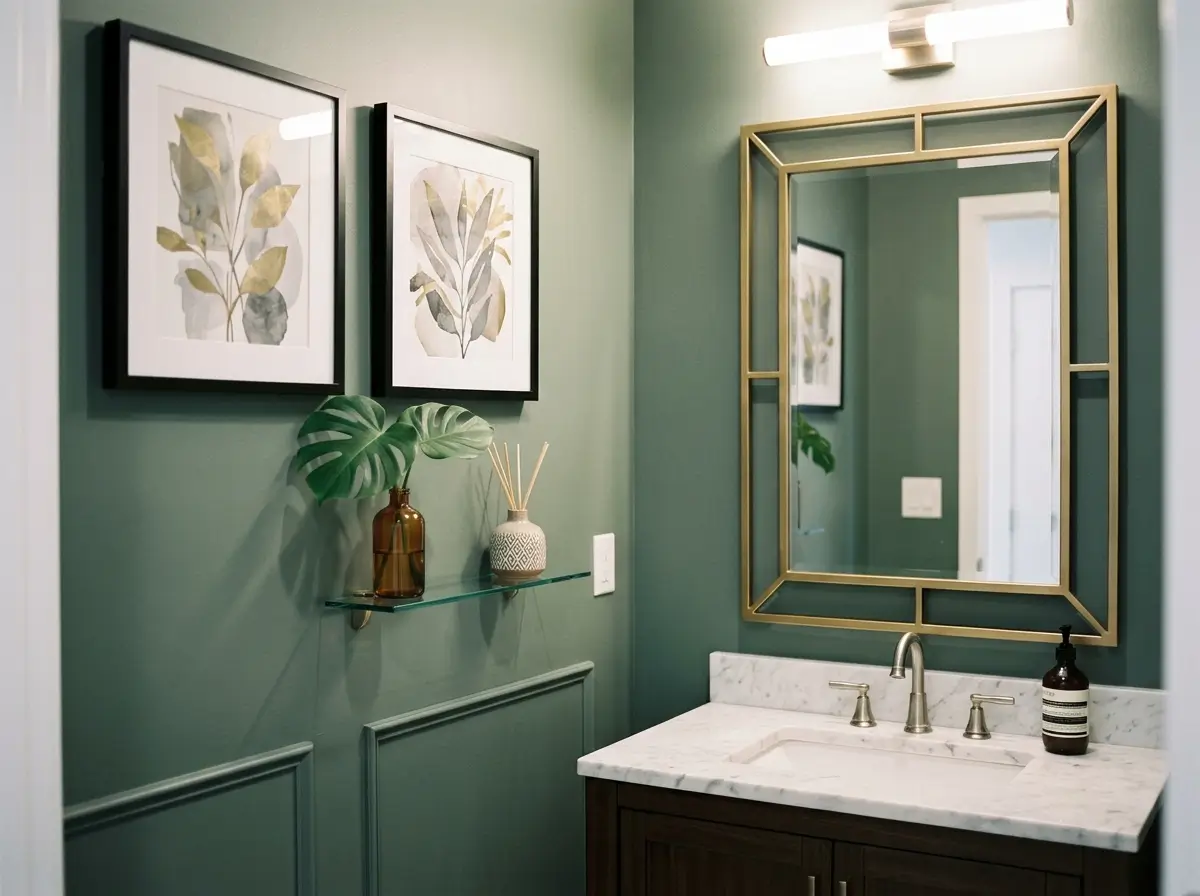

Small bathrooms often receive less decorating attention than living rooms or bedrooms, yet their walls influence the entire space. Bare surfaces can make even a clean bathroom feel unfinished, while crowded walls can make it feel smaller. Thoughtful Apartment Bathroom Wall Decor adds color, texture, storage, and personality without sacrificing valuable floor area. Luxury here does not mean costly marble or custom construction. It means using scale, spacing, materials, lighting, and repetition in a controlled way.
Rental bathrooms bring extra challenges. Many have plain tiles, cold lighting, limited storage, and rules against drilling. Smart decorating works around those limits with removable hooks, tension systems, lightweight frames, peel-and-stick materials, and moisture-resistant finishes. Every idea below explains where it works best, how to install it safely, and which mistakes can make the result look cluttered or temporary.
What Makes Bathroom Wall Decor Feel Luxurious?
Luxury comes from visual order rather than excess. Choose one clear color direction, repeat two or three finishes, leave breathing room around each item, and use warm lighting between 2700K and 3000K. Well-planned Apartment Bathroom Wall Decor should support the bathroom’s function while making the room feel calmer. One large mirror, coordinated frames, neatly arranged towels, or a slim wall shelf can create more impact than several unrelated accessories.
Plan the Wall Before Buying Anything
Before shopping, photograph every wall from the doorway and from the shower area. Photos reveal awkward gaps, exposed cords, uneven tile lines, and clutter that becomes easy to ignore in daily life. Note the width and height of each usable area, including the distance above the toilet, beside the mirror, and over the towel rail. Measurements should include door swings, cabinet doors, switches, outlets, and vents. Careful planning prevents a beautiful shelf from blocking a cabinet or a frame from sitting too close to the steam.
Start by deciding what the wall needs to do. Some bathrooms need visual warmth, while others need storage, brighter light, or a stronger focal point. Decorative art solves a different problem from hooks or shelves. Pick the most important function first, then add beauty through the finish, color, and arrangement. People with limited storage should prioritize closed cabinets, baskets, or hooks. Renters with enough storage but plain walls can focus on framed art, wallpaper, molding, or a statement mirror.
Next, study the permanent features that cannot easily change. Existing tile color, flooring, vanity finish, faucet metal, and countertop pattern should guide new choices. Warm beige tile usually works well with cream, walnut, muted green, and brass. Cool gray tile feels more connected to white, charcoal, dusty blue, pale oak, or chrome. Fighting the fixed palette often makes affordable decor look mismatched. Repeating one existing color in a towel, frame, or print creates a stronger relationship between old and new elements.
Then, choose a focal wall rather than decorating every surface equally. The vanity wall naturally attracts attention because people face it while using the room. Walls above the toilet suit shelves, art, or molding, while narrow areas near the door work better with hooks or vertical pieces. Leaving one wall mostly empty gives the room visual relief. Small-space luxury depends on editing, so every added object should improve storage, balance, light, texture, or personality.
Finally, test the arrangement with painter’s tape and paper templates. Outline a mirror, shelf, frame set, or wallpaper panel at full size. Check the proposed layout while standing, sitting, opening doors, and reaching for towels. Evening lighting can change colors dramatically, so review the plan after sunset as well. People often discover that artwork needs to move lower, shelves need less depth, or a pattern needs more breathing room. Testing costs almost nothing and prevents unnecessary holes, damaged adhesive, and disappointing purchases.
Practical Apartment Bathroom Wall Decor also begins with a realistic maintenance plan. Smooth frames, sealed shelves, washable surfaces, and simple arrangements are easier to clean than deeply carved objects or crowded displays. Consider how quickly dust, hairspray, soap residue, and moisture collect near each wall. Busy households should choose pieces that can be wiped in minutes and removed without dismantling the whole arrangement. Good design should make the bathroom easier to use, not create another weekly chore. Selecting fewer durable items usually gives a cleaner, more expensive result over time. Maintenance stays manageable.
Hang One Oversized Statement Mirror
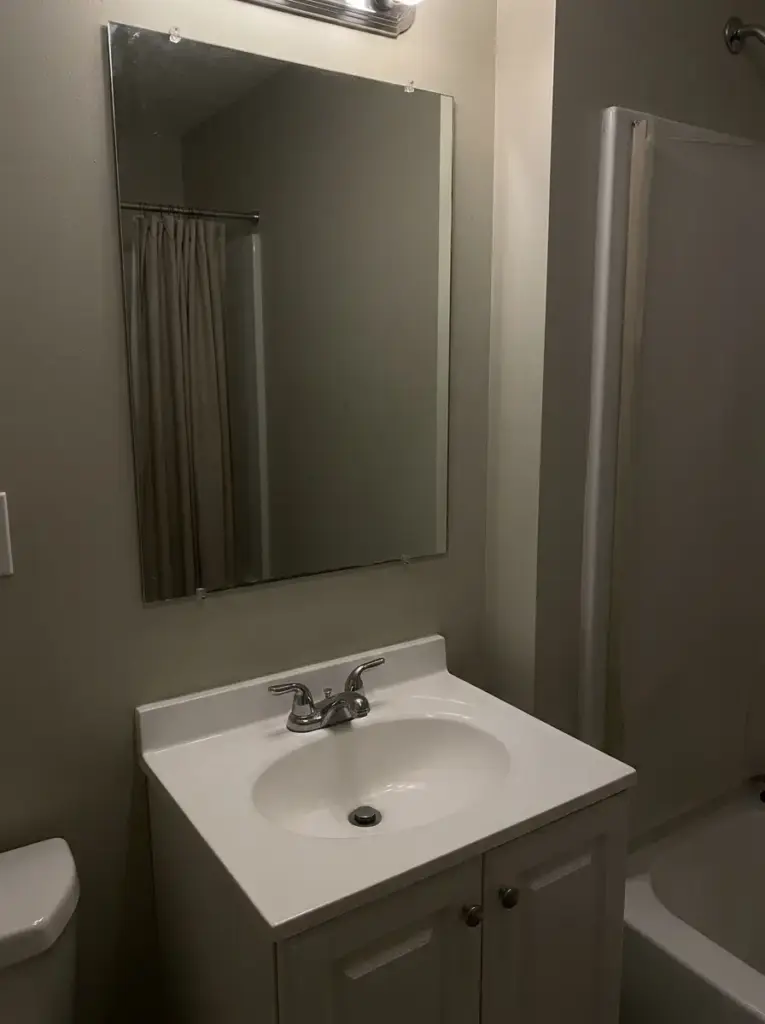
Large mirrors instantly increase reflected light and make a tight bathroom feel wider. Choose a rounded rectangle, pill shape, arched frame, or simple circle instead of a heavily carved design. Black frames suit modern white bathrooms, brushed brass works with warm beige or cream, and thin oak frames soften gray tile. Measure the vanity first, then select a mirror that is slightly narrower than the cabinet. Leaving roughly 5 to 10 centimeters on each side creates a balanced relationship between the mirror and vanity.
Renters can replace an existing mirror only when the landlord allows it, but removable mounting systems also work for lightweight options. Heavy mirrors need proper anchors and should never depend on ordinary adhesive strips. Anyone with a builder-basic bathroom will gain the most from this change because the mirror becomes both a useful object and the main design feature. Avoid choosing a frame that fights with the faucet finish. Repeating one metal twice makes the room feel intentional rather than randomly upgraded.
Build a Small Gallery With Moisture-Safe Art
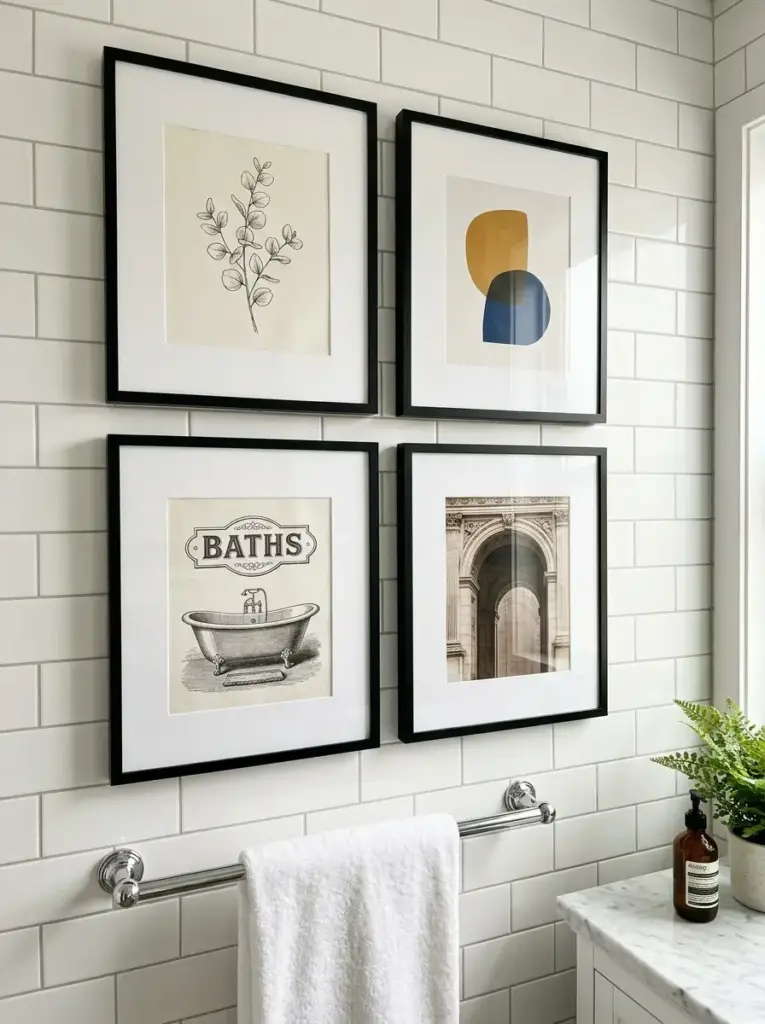
Gallery walls can look polished in a bathroom when the collection stays compact and consistent. Use three or four prints instead of covering every open surface. Botanical sketches, abstract shapes, vintage bathing illustrations, architectural photographs, and simple line art all work well. Keep frames in one finish, such as matte black, pale wood, or soft gold. Matching frame widths helps unrelated prints feel connected, while wide white mats give inexpensive artwork more presence.
Place the group above a towel bar, beside the vanity, or across from the mirror where steam exposure is lower. Sealed frames with acrylic fronts are safer than unprotected paper. Printable art offers a budget-friendly route, but use good paper and trim it carefully. Beginners often hang each piece too far apart, which makes the arrangement look scattered. Keep gaps between 5 and 8 centimeters. Small-gallery styling suits renters who want personality without changing paint, tile, or fixtures.
Add Peel-and-Stick Wall Molding
Removable molding creates architectural depth that many apartments lack. Lightweight foam or flexible trim can form picture-frame panels, a simple chair rail, or narrow vertical rectangles. Paintable products offer the most custom appearance, though painting may require landlord approval. Ready-finished white trim looks crisp against pale gray, dusty blue, taupe, or cream walls. Dark green panels with white molding create a stronger contrast when the bathroom receives enough natural or artificial light.
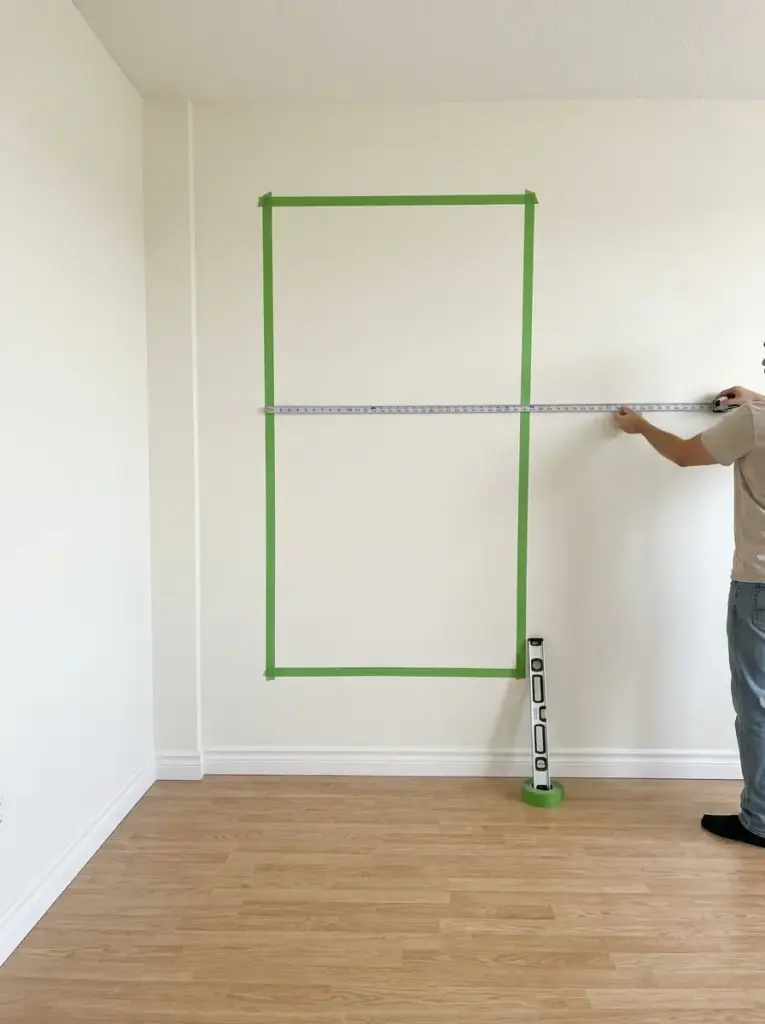
Careful measuring makes this treatment convincing. Mark the layout with painter’s tape before attaching anything, and check every line with a level. Keep panel sizes consistent and avoid squeezing too many shapes onto a short wall. One or two tall panels behind the toilet often look more refined than six tiny boxes. Wall molding gains a built-in feeling because the repeated lines create order. It works best for renters who enjoy classic, Parisian, transitional, or hotel-inspired interiors.
Style a Floating Shelf Above the Toilet
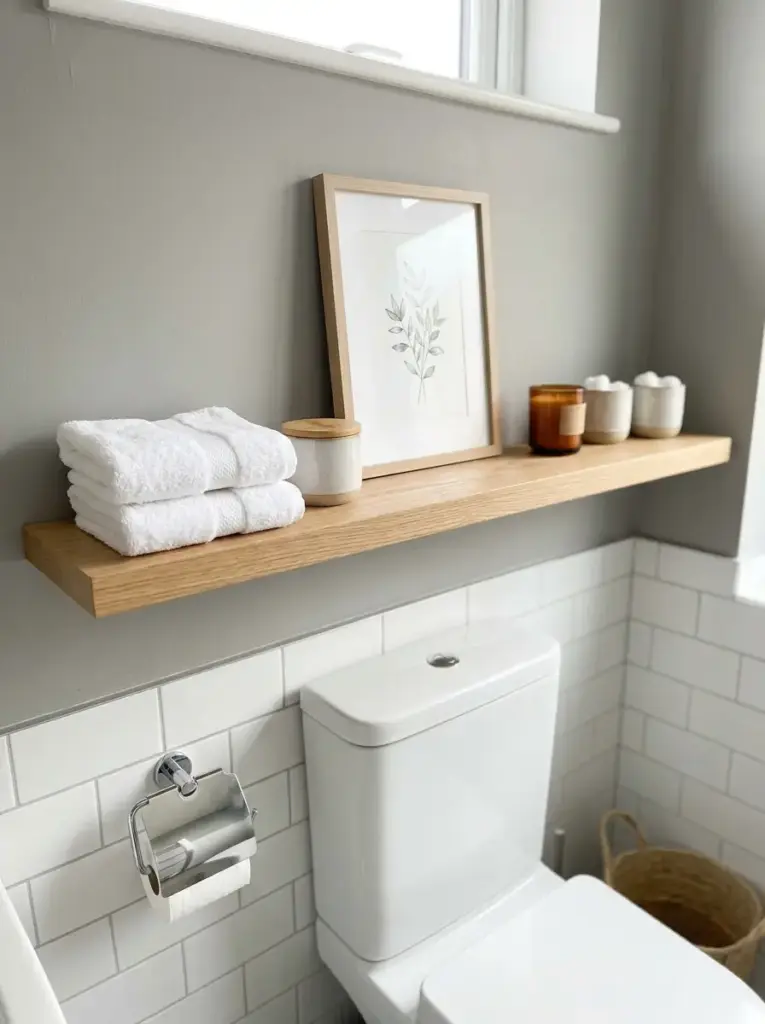
Empty wall space above the toilet can provide storage without making the floor crowded. One long shelf usually looks cleaner than several short shelves. Choose sealed wood, powder-coated metal, glass, or moisture-resistant laminate. Depth matters because a shelf that projects too far can feel awkward. Around 15 to 20 centimeters is enough for folded towels, a candle, a framed print, or two small containers. Keep daily items within easy reach and decorative pieces toward the back.
Balanced styling depends on variation in height and shape. Pair a low stack of hand towels with one taller object, such as a small vase or lidded jar. Leave part of the shelf empty so the display does not resemble overflow storage. Use wall anchors when drilling is permitted, or choose a secure over-toilet freestanding unit when it is not. People with limited cabinets benefit most from this idea. Avoid placing heavy glass objects directly above the toilet lid, where accidental falls could cause damage.
Use Textured Removable Wallpaper
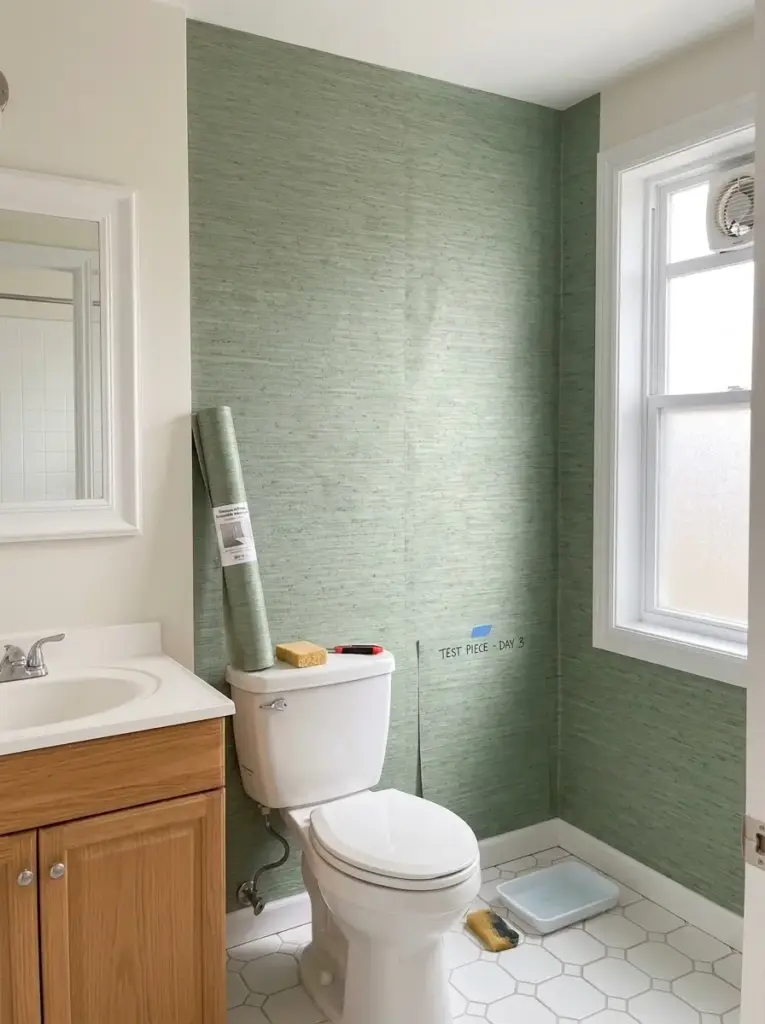
Wallpaper can change a plain bathroom more dramatically than small accessories, especially on one feature wall. Linen-look, grasscloth-style, soft geometric, marble-inspired, and watercolor patterns can feel sophisticated without overwhelming the room. Small bathrooms usually handle medium-scale patterns better than tiny repetitive prints. Soft beige, blue-gray, muted sage, warm white, and charcoal create a more enduring base than bright trend colors. Choose vinyl or bathroom-rated removable wallpaper because ordinary paper may lift in humid conditions.
Apply wallpaper to the driest wall, often behind the toilet or opposite the shower. Clean the surface thoroughly, let it dry, and test a small piece for several days. Textured walls may prevent good adhesion, so check the manufacturer’s guidance before buying multiple rolls. Pattern matching also affects the final quality; order extra material for alignment and trimming. Renters seeking a major visual upgrade without paint will appreciate this option. Good ventilation remains essential because no removable product performs well against constant trapped moisture.
Mount Slim Picture Ledges for Flexible Styling
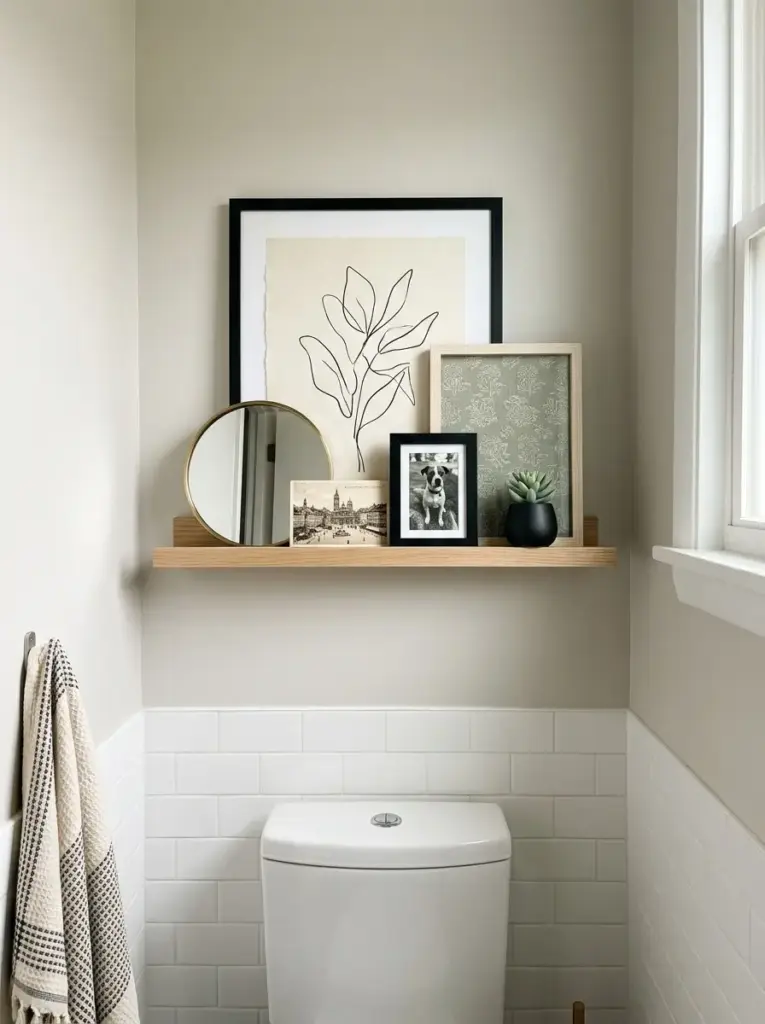
Picture ledges give renters a gallery effect without requiring every frame to have its own wall hole. Shallow ledges hold overlapping art, small mirrors, postcards, or framed fabric. Two ledges can work on a tall wall, but one well-placed ledge often feels calmer in a narrow bathroom. Select a finish that echoes the vanity, door, or accessories. Pale oak brings warmth to white tile, while black ledges add definition to soft neutral walls.
Layer pieces from largest to smallest, keeping the tallest frame at the back. Limit the palette to three main colors so the display remains cohesive. For example, use cream backgrounds, black line drawings, and muted green accents. Lightweight objects are safest, especially over the toilet or near a doorway. Command-style ledges may work on smooth painted walls, though weight limits must be respected. Frequent decorators will enjoy this flexible system because seasonal art can change without rebuilding the arrangement.
Install Decorative Wall Hooks in a Neat Row
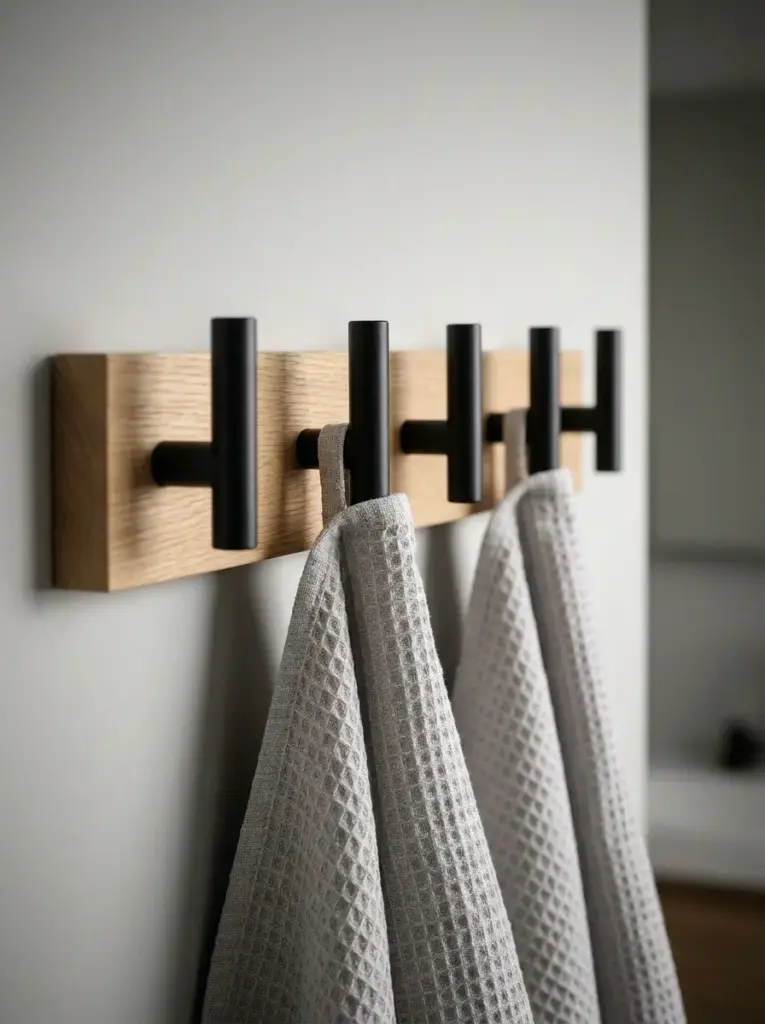
Hooks become decor when their spacing, finish, and placement feel deliberate. Brass pegs, matte black hooks, white ceramic knobs, or rounded wood hooks can turn towels and robes into part of the composition. Install three or five hooks in a straight horizontal line, or use a narrow backing board to create a more finished unit. Matching hooks usually look cleaner than mixed designs in a small room. Position them so that hanging fabric will not brush the toilet or block a cabinet.
Towels also influence the wall palette. White waffle towels create a hotel-like effect, while rust, olive, sand, navy, or dusty rose can add controlled color. Repeat the towel shade in one print, soap dispenser, or bath mat. Rental-friendly adhesive hooks are useful on smooth tile, but choose models designed for humid areas and allow the adhesive to cure before adding weight. Shared bathrooms benefit greatly because every person receives a defined hanging spot, reducing clutter around the door and shower rail.
Frame a Removable Mural Panel
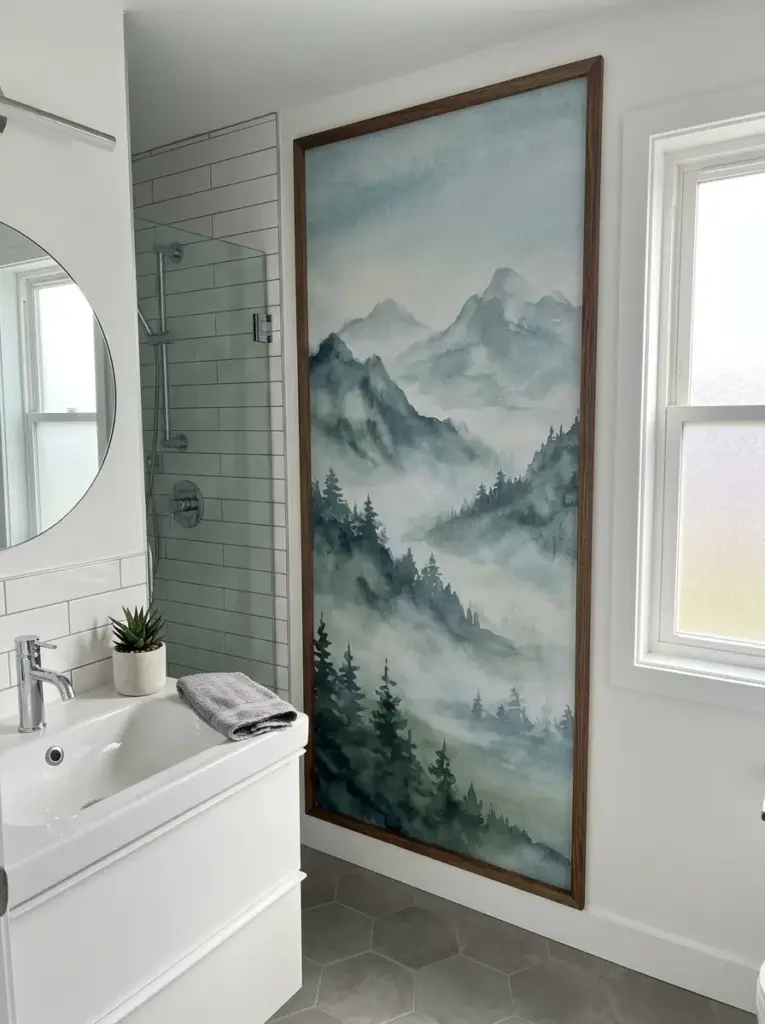
Full-wall murals can feel risky in a rental, but a framed panel offers similar drama with less commitment. Mount removable wallpaper, decorative fabric, or a printed mural onto lightweight foam board or thin plywood. Add a simple trim around the edges to make it resemble oversized artwork. Landscapes, soft botanicals, abstract brushwork, and stone-inspired prints suit bathrooms because they create depth without requiring many accessories. Vertical designs are especially useful on narrow walls.
Scale separates a luxurious panel from a craft project. Aim for a piece large enough to anchor the wall rather than several tiny panels. Crisp trimming and a straight frame matter more than expensive material. Seal exposed edges when humidity is high, and keep the panel away from direct shower spray. DIY-minded renters and anyone with a large blank wall will find this approach useful. Choose imagery with limited colors so it supports the room instead of competing with tile, towels, and flooring.
Create a Spa-Style Towel Display
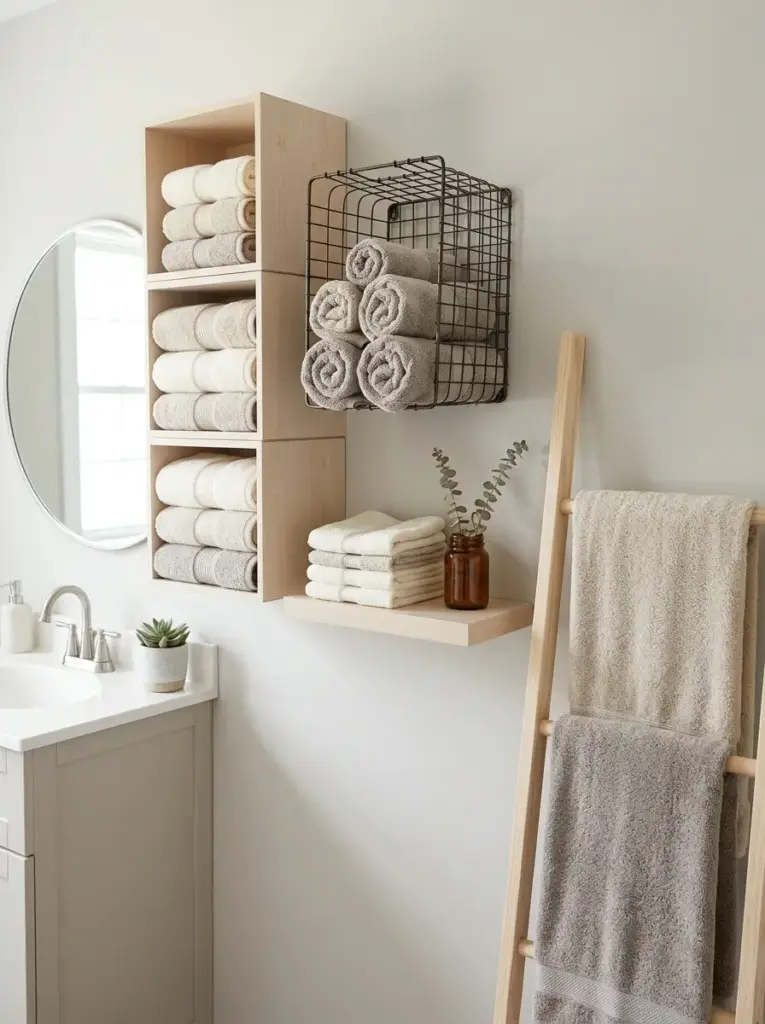
Rolled or folded towels can decorate a wall while solving storage problems. Open cubbies, wall baskets, ladder-style racks, and slim shelves make towels easy to reach. Keep the display simple by using one towel color or a closely related group, such as ivory, oatmeal, and warm gray. Uniform folding creates visual rhythm, which is one reason hotels feel orderly. Deep piles, mixed patterns, and overfilled baskets usually make the wall look busy.
Moisture-resistant wire baskets work well in industrial or farmhouse rooms, while pale wood cubbies suit Scandinavian and coastal interiors. Metal finishes should coordinate with the faucet or lighting when possible. Place clean towels away from the toilet and keep enough air around them to prevent dampness. Bathroom wall styling becomes more useful when attractive objects also handle storage. Small households with limited linen closets benefit most, especially when wall space is available, but cabinet space is not.
Introduce One Sculptural Wall Object
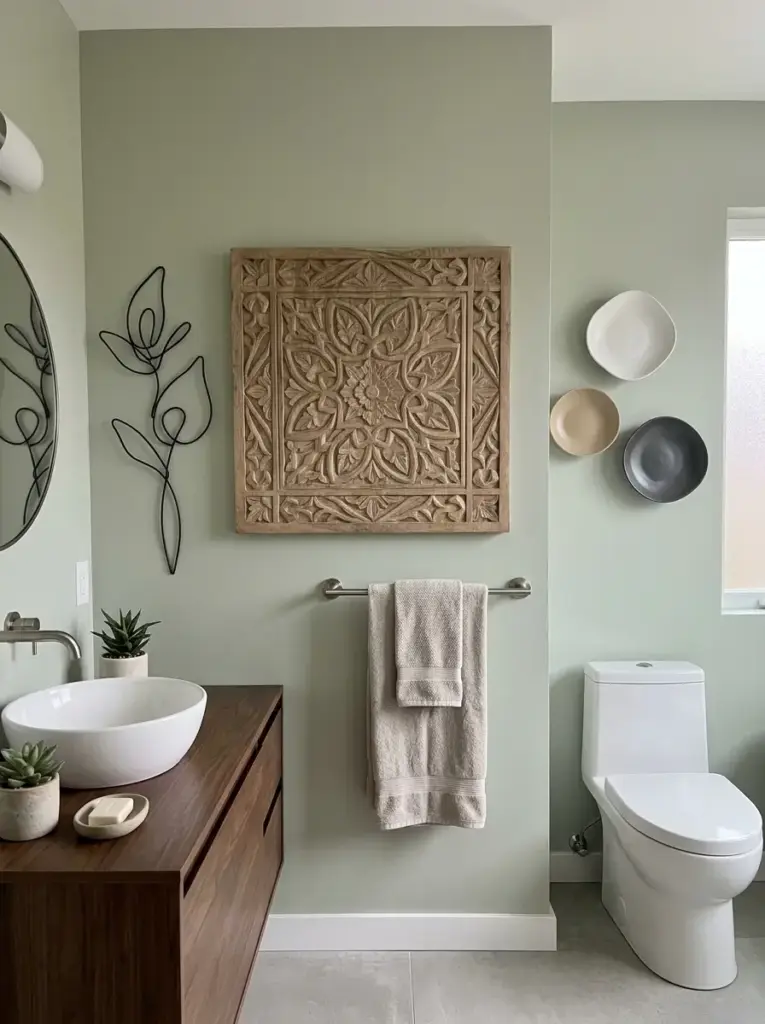
Sculptural pieces bring depth without relying on more framed prints. Woven discs, shallow ceramic forms, carved wood panels, metal line sculptures, and plaster-look medallions can add character to an empty wall. One medium or large piece usually appears more expensive than a cluster of unrelated ornaments. Choose materials that tolerate humidity and avoid untreated natural fibers close to the shower. Matte finishes often look calmer under bathroom lighting than glossy decorative objects.
Placement should relate to nearby fixtures. Center the object over a towel bar, align it with the vanity edge, or place it within a narrow wall section. Eye level is a useful starting point, though objects above the toilet may need to sit slightly higher. Minimalist decorators and renters who do not want traditional artwork will appreciate this solution. Secure lightweight pieces with removable hooks rated for the correct weight. Heavy ceramic or metal decor needs proper wall anchors and safe clearance from doors.
Add a Backlit or Sconce-Framed Mirror Zone
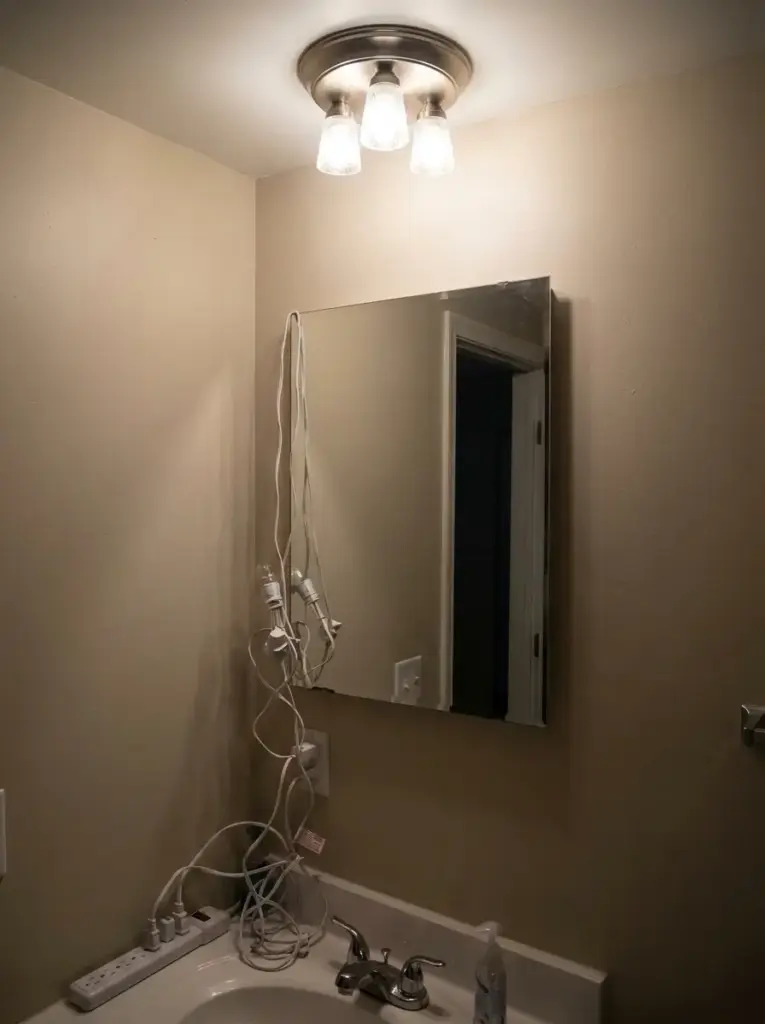
Lighting can make ordinary wall decor feel more considered. Backlit mirrors produce an even glow, while sconces placed on both sides of a mirror reduce facial shadows. Warm white bulbs around 2700K to 3000K flatter beige, cream, wood, and brass. Neutral white around 3500K can suit crisp gray or black-and-white bathrooms, but very cool 5000K lighting often makes small rooms feel clinical. Choose high color-rendering bulbs when possible so skin tones and wall colors appear natural.
Renters may not be able to hardwire fixtures, but rechargeable wall sconces and plug-in designs offer practical alternatives. Hide cords with paintable cable covers or route them neatly beside the vanity. Symmetry creates the strongest luxury signal, so keep sconces at equal heights and distances from the mirror. Makeup users, couples sharing a vanity, and bathrooms with poor overhead lighting benefit most. Avoid tiny shades that produce harsh spots or oversized fixtures that crowd the mirror.
Hang Framed Fabric or Wallpaper Samples
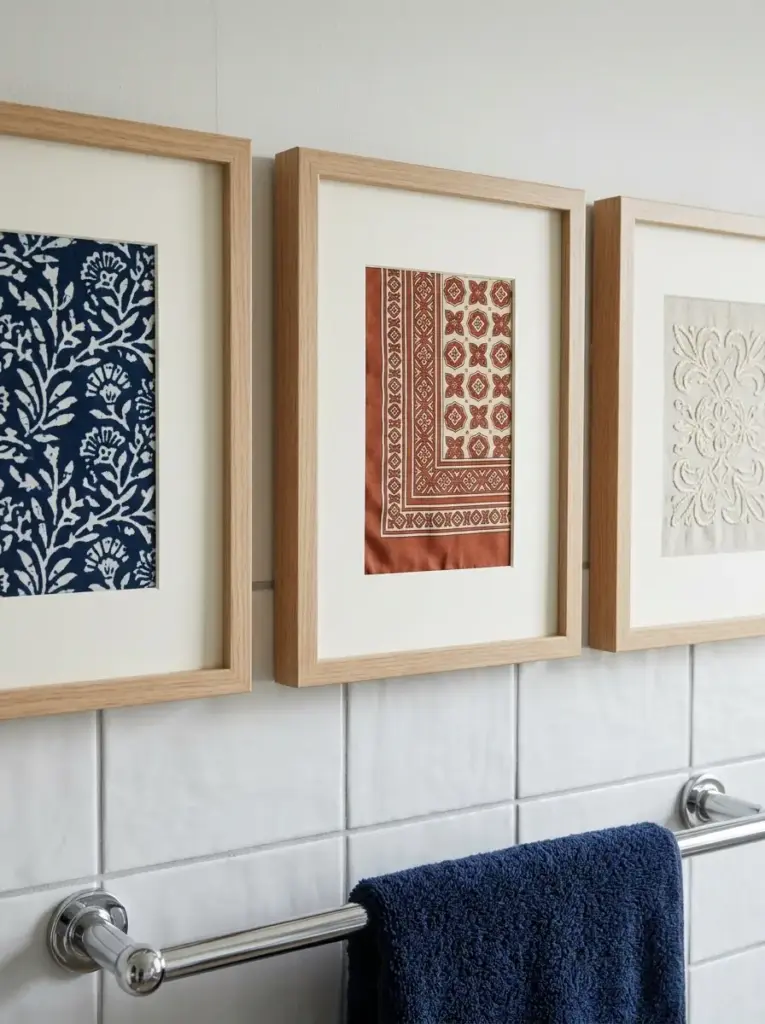
Framed textiles add pattern and softness without exposing delicate material across an entire wall. Use leftover wallpaper, block-printed cotton, embroidered cloth, vintage scarves, or woven samples inside simple frames. Large mats can make small fabric pieces look more substantial. Select patterns that repeat colors already present in the room. Blue botanical fabric can connect navy towels with white tile, while rust and cream stripes can warm a beige bathroom.
Humidity control matters because fabric can absorb moisture. Keep framed pieces away from the tub and use a well-fitted acrylic front. Avoid sealing damp fabric into a frame; wash, press, and dry it completely first. Craft lovers and budget-conscious renters will enjoy this method because remnants often cost little. Three coordinated pieces arranged in a row look especially effective over a towel rail. Bathroom walls feel richer when texture appears alongside smooth tile, mirrors, and metal fixtures.
Use Vertical Stripes to Raise the Ceiling Visually
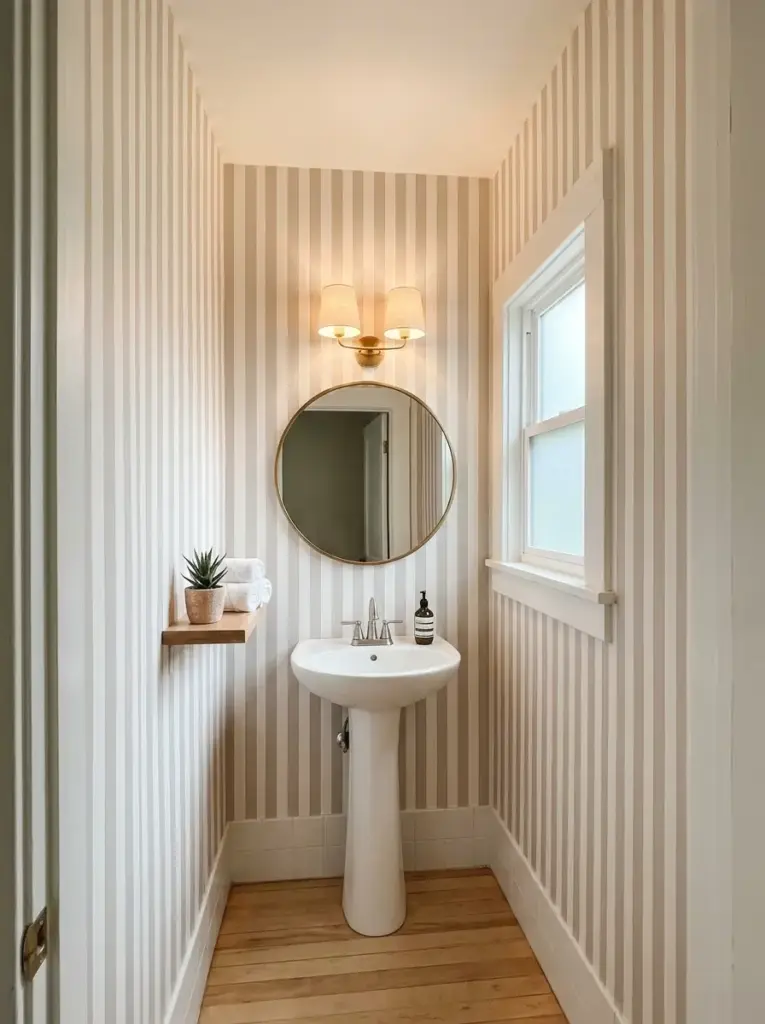
Vertical lines guide the eye upward, which helps low ceilings feel taller. Removable vinyl strips, narrow painted bands, striped wallpaper, or evenly spaced molding can create the effect. Soft contrast works best in a small bathroom. Try warm white with pale taupe, cream with muted sage, or light gray with dusty blue. Strong black-and-white stripes can be striking, but they may dominate a narrow room unless limited to one wall.
Stripe width influences the mood. Wide stripes feel modern and calm, while very narrow stripes may look busy around shelves and fixtures. Measure from one corner and maintain consistent spacing across the wall. Renters can use removable vinyl or wallpaper, while homeowners may prefer paint. Bathrooms with short walls and limited architectural detail gain the most from this treatment. Stop the pattern at natural boundaries, such as corners or tile edges, rather than ending it in the middle of an open wall.
Display Plants With Wall-Mounted Holders
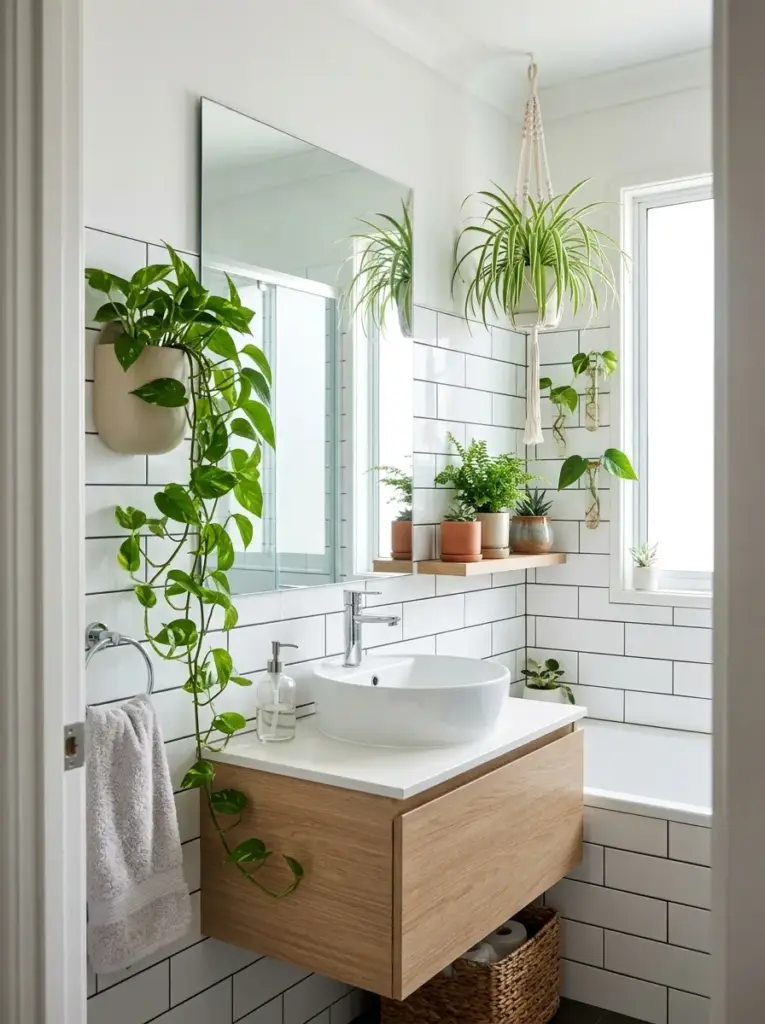
Greenery softens hard bathroom materials and introduces natural color. Wall-mounted pots, propagation tubes, hanging planters, and slim plant shelves can work when floor space is limited. Pothos, heartleaf philodendron, spider plants, and some ferns tolerate bathroom conditions, but plant choice should match actual light levels. Humidity cannot replace daylight. Windowless rooms may need a small grow light or high-quality artificial greenery instead.
Choose containers with secure drainage control so water never runs down the wall. Sealed ceramic, glass, and coated metal holders are easier to clean than raw terracotta. One trailing plant beside a mirror may create more impact than several tiny pots. Plant lovers and bathrooms with bright indirect light are the best match for this idea. Avoid placing leaves where they touch wet shower walls or interfere with doors. Clean the foliage occasionally because dust and product residue can collect quickly.
Create a Coordinated Wall Storage System
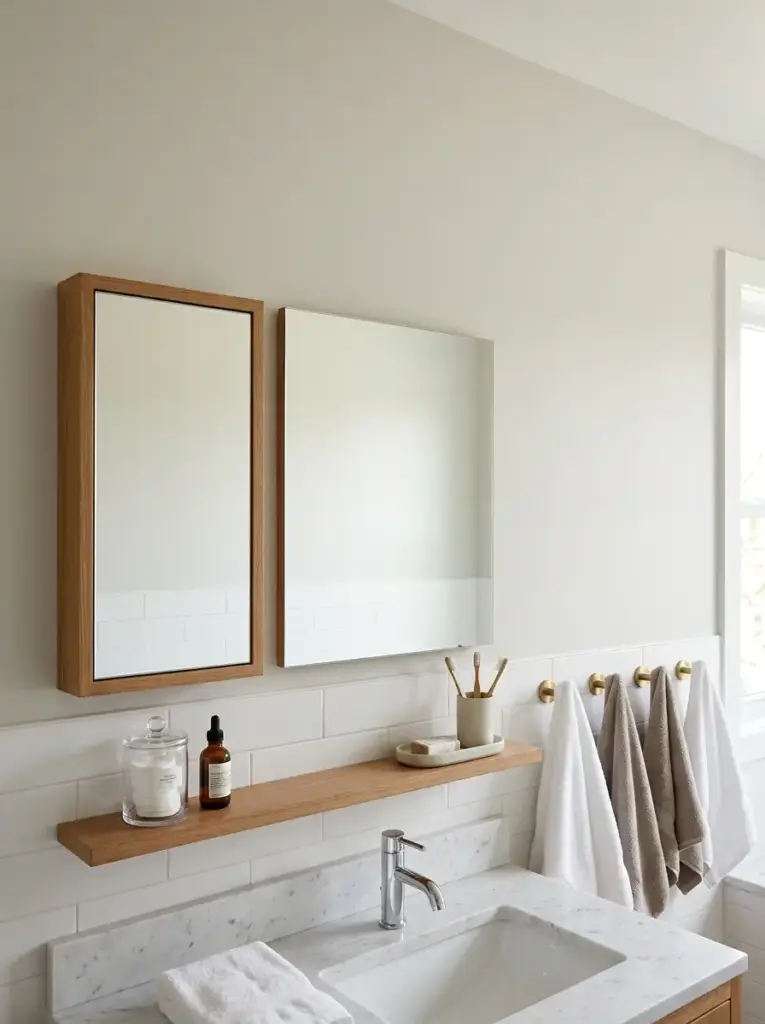
Wall storage feels luxurious when every component belongs to one system. Combine a medicine cabinet, slim shelf, towel hooks, and small tray in matching finishes and aligned positions. Visual alignment matters more than buying expensive pieces. Keep edges level with the mirror, vanity, or tile lines. White storage blends into white walls, black adds graphic contrast, and warm wood introduces softness. Clear containers should hold only attractive, frequently used items because visible packaging creates noise.
Plan categories before installing anything. Daily skincare can sit near the mirror, spare towels can go above the toilet, and cleaning products should remain hidden. Leave at least one open area so the wall does not become a storage grid. Small families and renters with minimal cabinetry gain the most from this solution. Wall decor looks more refined when storage reduces clutter rather than displaying everything. Use labels inside containers, not across the visible front, for a cleaner finish.
Common Mistakes to Avoid
Overdecorating is the most common problem in small bathrooms. Several frames, shelves, baskets, hooks, signs, and plants may each look appealing alone, yet together they can make the room feel crowded. Choose one main wall feature and one supporting detail. For example, pair a large mirror with a single shelf, or combine a small gallery with simple hooks. Space is not wasted space; it helps the eye understand what matters.
The wrong scale can also weaken the design. Tiny art often floats awkwardly above a wide toilet or vanity, while an oversized shelf can feel unsafe and heavy. Use painter’s tape to mark the proposed dimensions before buying. Step back from the doorway and check the shape from several angles. Good Apartment Bathroom Wall Decor should relate to the fixture below it rather than hovering without connection.
Ignoring moisture creates practical problems. Paper prints may ripple, untreated wood may swell, and standard adhesive can release in steam. Choose sealed frames, coated metals, bathroom-rated wallpaper, and humidity-resistant hooks. Ventilation remains important even when products claim moisture resistance. Run the exhaust fan during showers and for at least a short period afterward, or open a window when available.
Mismatched finishes can make a bathroom feel pieced together. Using black, chrome, brass, rose gold, pale wood, and dark wood in one small space usually creates visual confusion. Select one main metal and one supporting natural finish. Existing chrome faucets can stay; repeat chrome in a mirror edge or hook, then add one wood tone for warmth. Consistency matters more than replacing every fixture.
Poor placement causes both visual and safety issues. Frames hung too high lose connection with the vanity, hooks behind doors get crushed, and shelves over the toilet may project too far. Check door swings, cabinet clearance, head height, and towel length before installation. Bathrooms need comfortable movement, so function should guide every decorative decision.
Budget-Friendly Ways to Upgrade Bathroom Walls
Printable art offers one of the cheapest upgrades, especially when paired with secondhand frames. Paint all frames in one finish to unify mismatched shapes. Wide paper mats cut from sturdy card can make small prints look more expensive. Choose two or three related images instead of a large collection. Local printing often produces better color than a basic home printer while still keeping the project affordable.
Remnants can also become useful decor. Leftover wallpaper may cover the back of a shallow shelf, fill three frames, or create a panel behind hooks. Small fabric pieces can become framed art. Spare wood can form a narrow ledge when properly sealed. Reusing one material across several small details creates repetition, which helps inexpensive projects feel coordinated.
Hardware changes provide another low-cost improvement. Replace plain hooks with rounded wood pegs or simple metal hooks, then store the original pieces for move-out day. New cabinet knobs can echo the wall finish and make the room feel more complete. Keep all removed hardware in a labeled bag so nothing gets lost. Budget bathroom styling succeeds when small changes share the same color and shape language.
Better bulbs can change the room without changing decor. Replace harsh blue-white bulbs with warm or neutral high-quality LEDs that suit the palette. Dirty shades and dusty mirrors also reduce light, so clean them before buying additional fixtures. Lighting improvements help wall colors, towels, art, and metals appear more accurate.
Practical Styling Tips for Apartment Bathroom Wall Decor
Begin with the view from the doorway. Whatever appears first should look calm and intentional, because it sets the mood for the room. Remove visual clutter before adding anything new. Store duplicate products, discard empty packaging, and move cleaning supplies out of sight. Decor cannot create luxury when every surface competes for attention.
Build a limited palette using three parts. Choose one base color, one supporting shade, and one accent finish. Warm white, taupe, and brass create a soft classic scheme. White, charcoal, and pale oak feel modern. Cream, muted green, and black offer a stronger contrast. Repeat each choice at least twice so the palette looks deliberate.
Check proportions with paper templates. Cut kraft paper or newspaper to the size of frames, shelves, and mirrors, then tape the shapes to the wall. Live with the arrangement for a day and view it under morning and evening light. Templates prevent costly sizing mistakes and help beginners understand spacing before making holes.
Use symmetry when the room already feels busy. Matching sconces, two equal frames, or evenly spaced hooks can calm patterned tile and exposed products. Asymmetry works better when the surrounding surfaces are simple. One large print beside a small shelf can look relaxed, but the visual weight should still feel balanced.
Protect the deposit by documenting every change. Photograph the wall before installation, keep original fixtures, and use products designed for the actual surface. Adhesive meant for painted drywall may behave differently on tile or textured plaster. Test hidden areas and remove strips slowly according to the instructions rather than pulling them outward.
Frequently Asked Questions
How Can Renters Decorate Bathroom Walls Without Drilling?
Removable hooks, adhesive picture ledges, tension-based storage, peel-and-stick wallpaper, and lightweight framed panels can work without permanent holes. Surface preparation matters, so clean and dry the wall before installation. Check weight limits and use products rated for humid rooms. Test adhesives in a hidden place because some painted surfaces may peel during removal.
What Kind of Art Is Safest for a Humid Bathroom?
Sealed prints behind acrylic, metal art, coated wood, and moisture-resistant canvas are safer than exposed paper or raw fabric. Keep artwork away from direct shower spray and use ventilation regularly. Framed pieces should close tightly enough to reduce moisture entry, though occasional inspection is still wise.
How Do I Make a Small Bathroom Wall Look Expensive?
Choose fewer, larger items and repeat finishes. One generous mirror, coordinated hooks, and a narrow shelf can look more polished than many small decorations. Warm lighting, clean grout, neatly folded towels, and uncluttered counters also improve the overall effect. Bathroom wall styling works best when it supports order rather than adding more visual noise.
Which Colors Make an Apartment Bathroom Feel Larger?
Warm white, soft cream, pale gray, muted blue, and light taupe reflect light and keep walls open. Dark colors can still work on one feature wall when the room has good lighting and enough contrast. Matching the wall color closely to the tile reduces visual breaks, which can make the space feel wider.
How High Should Bathroom Wall Art Be Hung?
Eye level is a useful guide, with the center of the artwork often around 145 to 152 centimeters from the floor. Placement should also relate to nearby fixtures. Art above a toilet, towel bar, or vanity generally looks best when the lower edge sits close enough to feel connected without crowding the object below.
Can Peel-and-Stick Wallpaper Handle Bathroom Humidity?
Bathroom-rated vinyl products can perform well on smooth, clean walls with good ventilation. Constant steam, textured paint, damp surfaces, and direct water exposure may weaken the adhesive. Apply a test strip first and avoid placing removable wallpaper inside a shower enclosure or directly above a bathtub with poor airflow.
Conclusion
Luxury in a small bathroom comes from restraint, consistency, and useful details. Start with one area that needs the most improvement, such as a plain mirror wall, a space above the toilet, or a cluttered towel zone. Choose a solution that matches the room’s moisture level, available light, storage needs, and rental rules.
Successful Apartment Bathroom Wall Decor does not require a full renovation. Large-scale art, coordinated hooks, removable molding, warmer lighting, or a carefully styled shelf can change how the room feels. Measure first, repeat finishes, leave open space, and protect every surface during installation. Those habits create a bathroom that feels calm, practical, and thoughtfully finished.